
Your Ultimate Guide to Morristown's Most Dependable Used Cars
Your Ultimate Guide to Dependable Used Cars in Morristown: How to Find Reliable and Affordable Vehicles in 2026
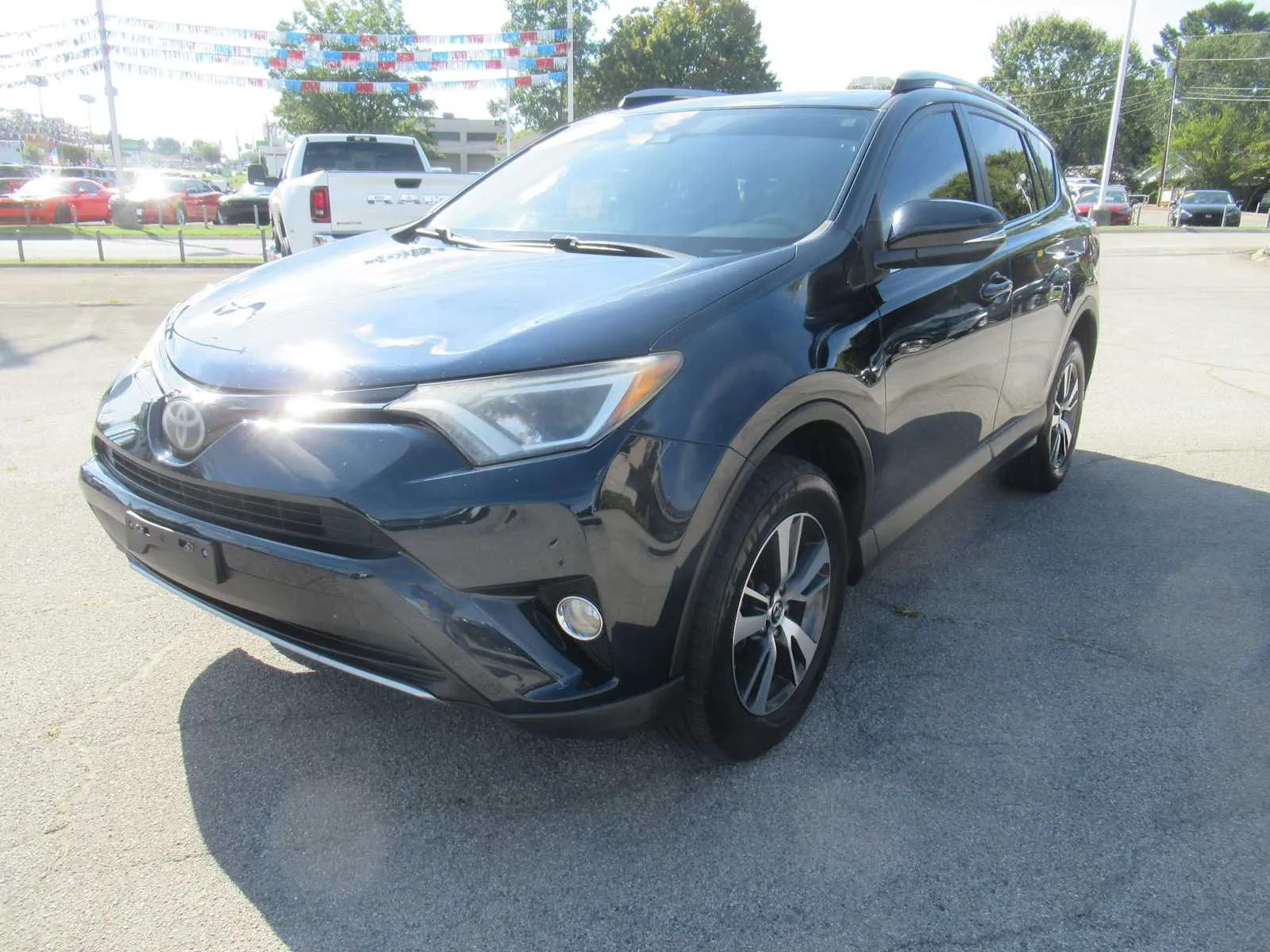
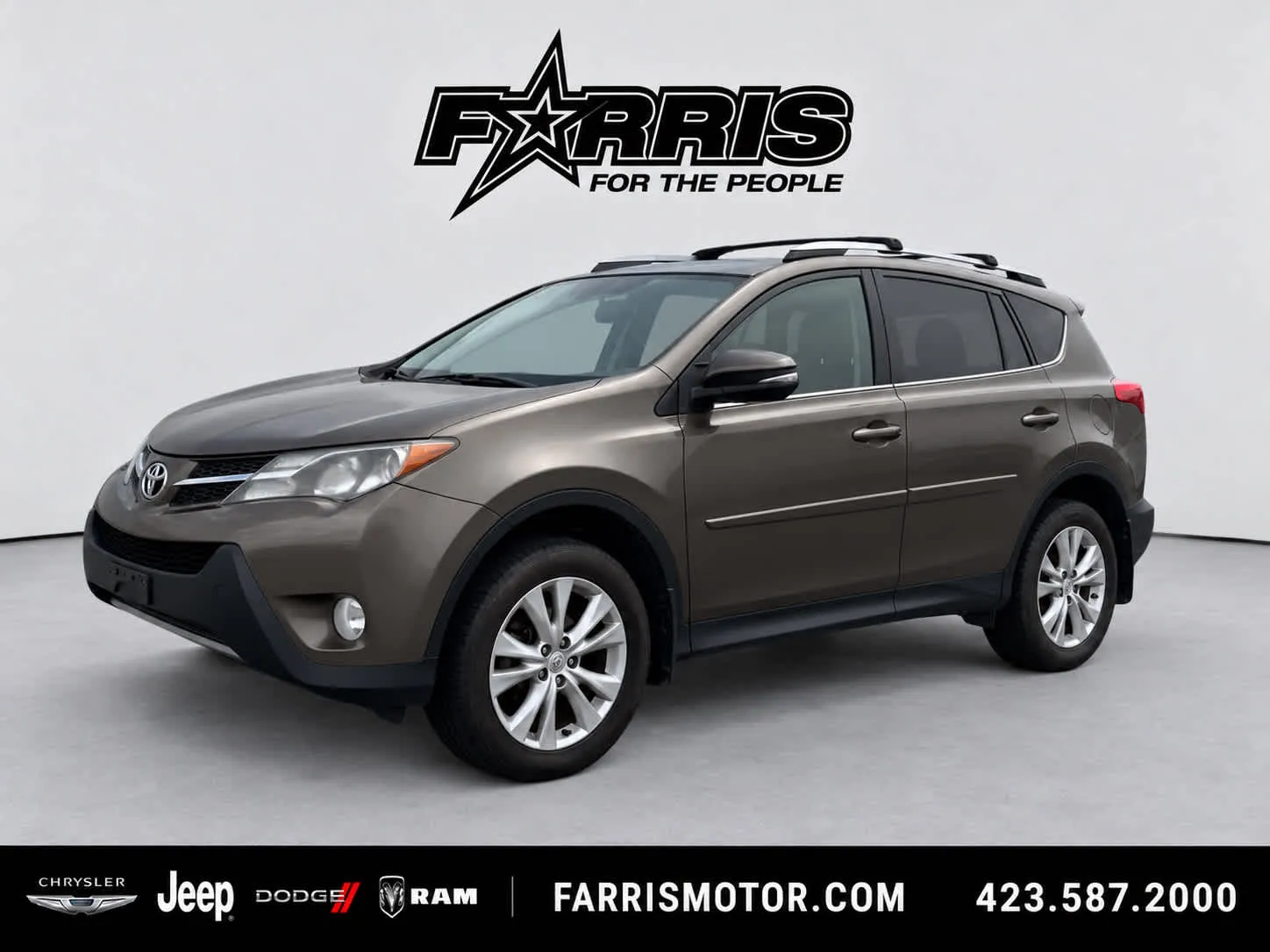
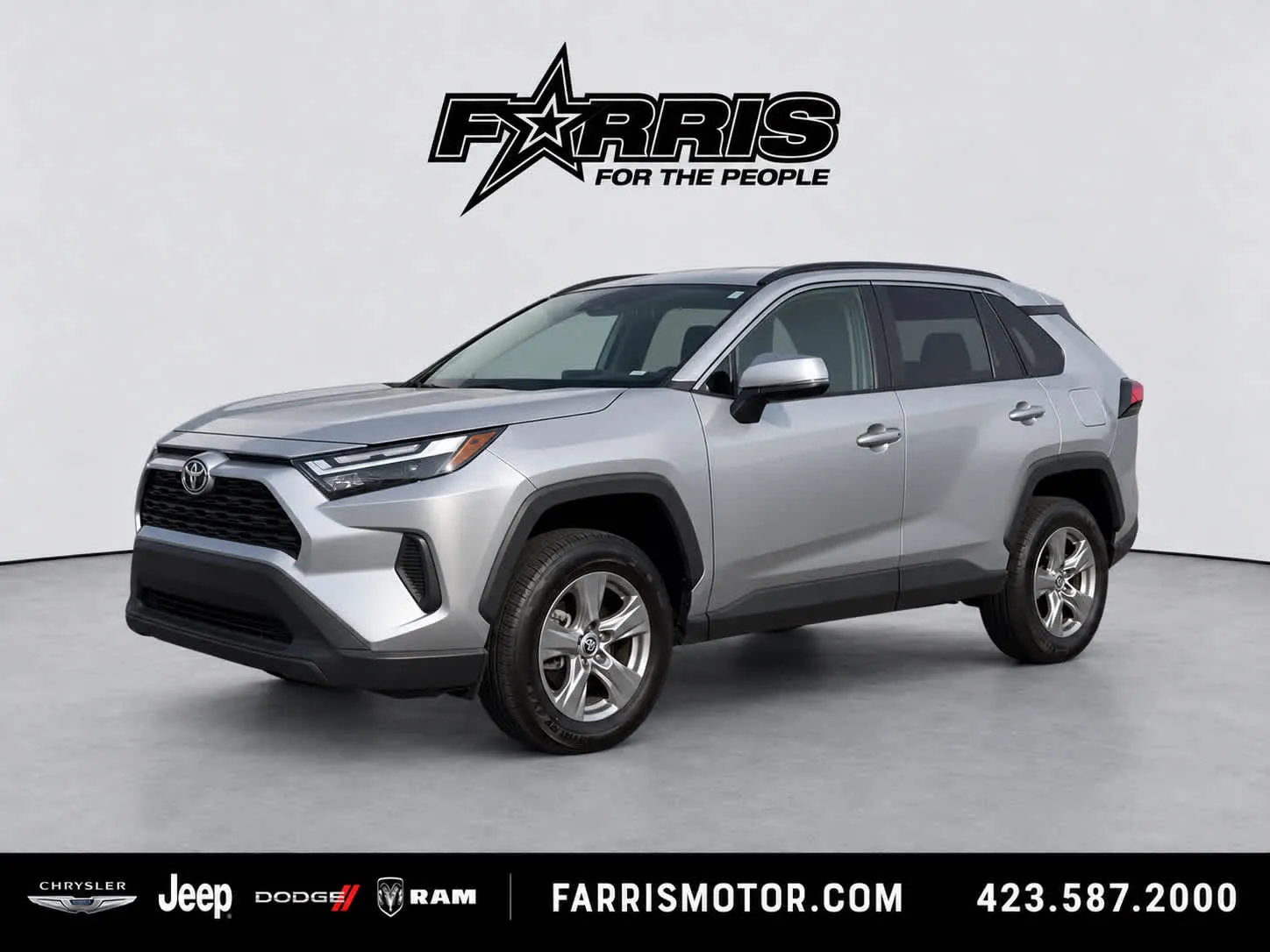
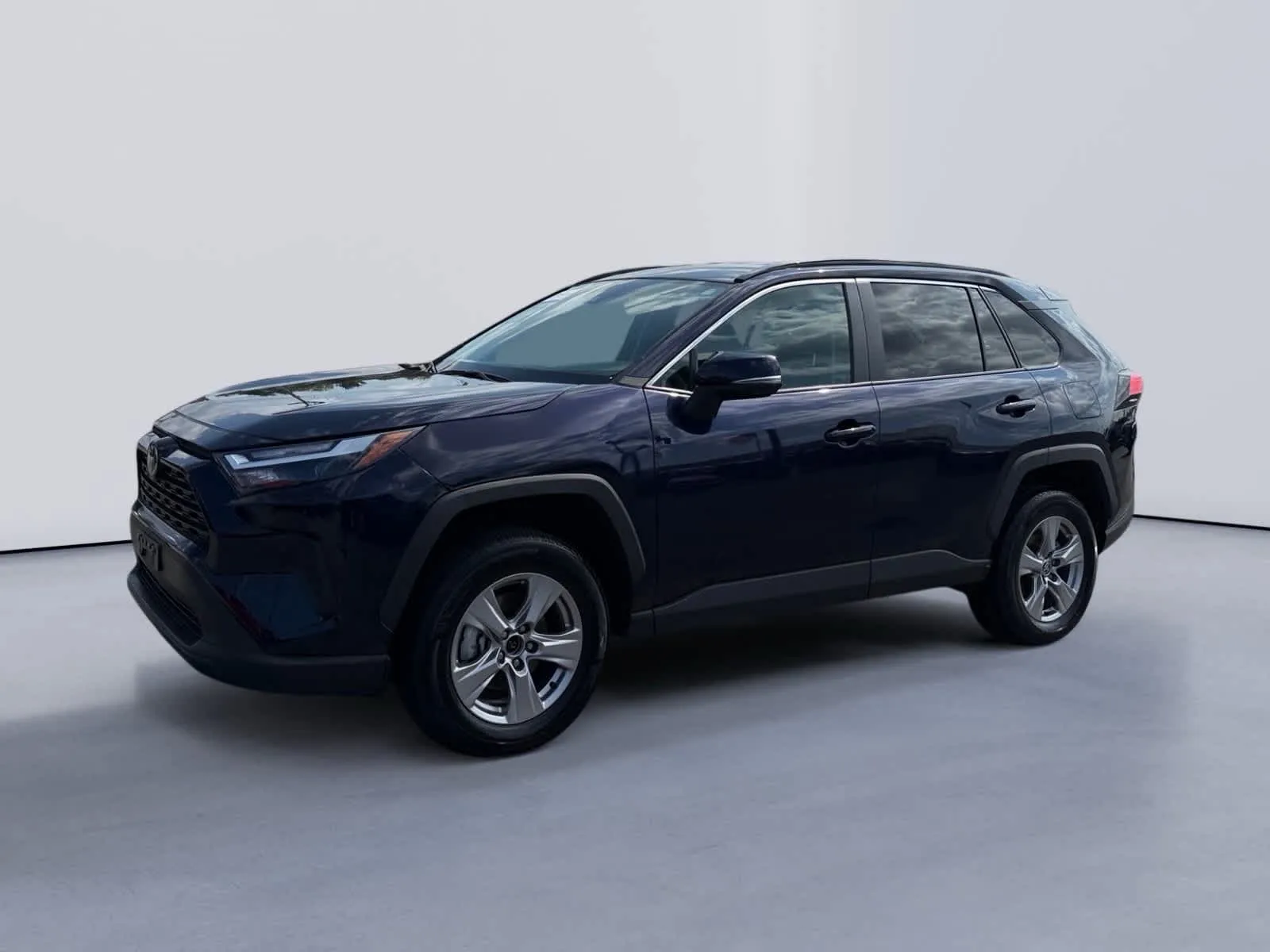
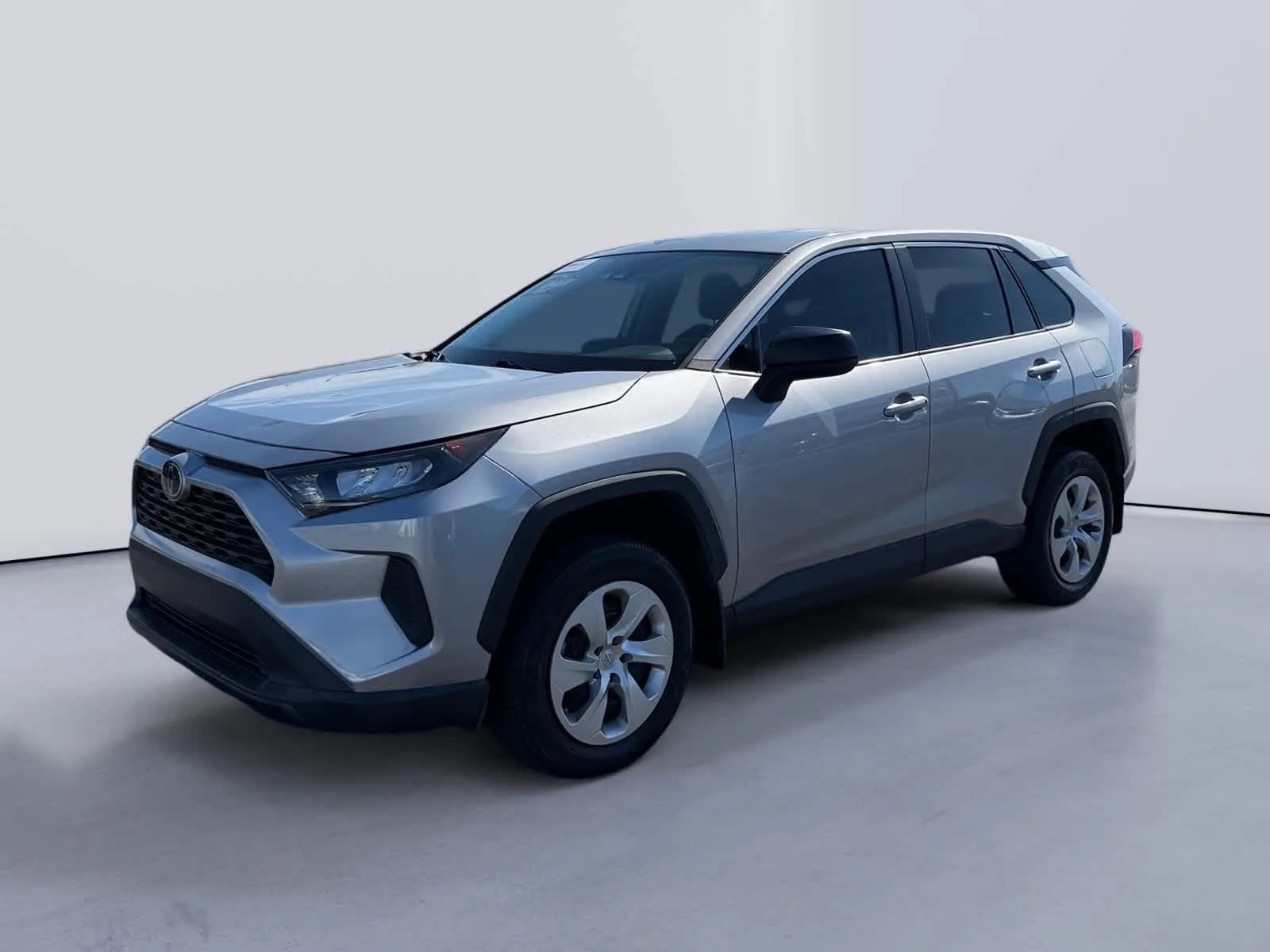
Dependable SUVs Popular in Morristown: Toyota RAV4, Subaru Outback, and Others
Unexpected auto repair bills are one of the most common causes of financial stress for household budgets in East Tennessee. Choosing a proven, dependable pre-owned car, truck, or SUV right here in Morristown is the single best way to stabilize your monthly expenses, avoid costly mechanics' bills, and enjoy genuine peace of mind every time you turn the ignition key.
When evaluating pre-owned inventory in the Lakeway region, long-term durability sits at the very top of every smart buyer's priority list. Whether you are commuting daily along US-11E between Morristown and Jefferson City, traveling down I-81 toward Knoxville, or navigating steep rural mountain grades across Hamblen and Jefferson counties, you need a vehicle engineered to start reliably in freezing winter mornings and maintain performance over hundreds of thousands of miles.
Based on extensive 2026 automotive durability indexes, long-term drivetrain failure metrics, and real-world shop service data, we have assembled the definitive master guide to Morristown's most dependable used cars. Below, you will find an exhaustive breakdown of local reliability factors, an expanded 5-model comparison matrix, deep-dive powertrain engineering analyses, a comprehensive pre-purchase inspection framework, localized financial strategies, and actionable advice for preserving your vehicle's value.
Top 4 Critical Takeaways for East Tennessee Pre-Owned Buyers
- Naturally Aspirated Engines Outlast Turbocharged Rivals: Non-turbocharged V6 and 4-cylinder engines operate under significantly lower internal thermal and pressure stress, resulting in 40% fewer major oil leak and head gasket repairs past 100,000 miles.
- Transmission Architecture Dictates Long-Term Ownership Costs: Traditional planetary-gear automatic transmissions and fluid-serviced continuous variable transmissions (CVTs) prevent $4,000+ premature replacement costs.
- Documented Maintenance Outweighs Low Odometer Reading: A high-mileage vehicle with a verified paper trail of synthetic oil changes every 5,000 miles is vastly more dependable than a low-mileage vehicle with neglected fluid intervals.
- Local Driving Conditions Accelerate Component Wear: Mountain inclines, winter road brine, and stop-and-go driving along West Morris Boulevard place unique demands on cooling systems, brake rotors, and undercarriage rust protection.
Anatomy of Dependability: What Makes a Used Car Last in Morristown?
A genuinely dependable used car consistently performs well, requires minimal unexpected repairs, and holds its resale value—even when subjected to East Tennessee's challenging terrain and seasonal climate spikes. True dependability stems from a balance of conservative factory engineering, high-grade factory metallurgical standards, and a history of conscientious owner maintenance.
Micro-Climate & Regional Terrain Challenges in Hamblen & Jefferson Counties
Morristown’s regional geography presents a unique environment for automotive components. Understanding these local stress factors helps buyers evaluate potential failure points:
- Elevation Changes & Transmission Strain: Driving up steep inclines near Clinch Mountain or pulling trailers around Cherokee Lake generates severe thermal heat in automatic transmissions. Vehicles with auxiliary transmission oil coolers experience far less fluid degradation.
- Winter Road Brine & Chassis Corrosion: During winter freeze events, local road crews treat main thoroughfares with chemical de-icers. Vehicles with factory galvanized steel panels or underbody rust-inhibitor coatings prevent catastrophic frame and brake line rot.
- Variable Humidity & Electrical Reliability: High summer humidity combined with sudden spring downpours tests the weather-stripping seals around electrical wiring harnesses and body control modules (BCMs). Superior factory harness insulation prevents mysterious electronic gremlins.
Core Structural Indicators of a Long-Lasting Vehicle
When reviewing vehicle specifications, look for these foundational structural indicators of long-term mechanical health:
- Fully Documented Maintenance History: Stamped factory service booklets or CARFAX records showing regular oil, filter, and brake service.
- Heavy-Duty Cooling System Design: High-capacity radiators and dual electric cooling fans designed to manage engine thermal cycles under load.
- Timing Chain vs. Timing Belt: Engines built with internal steel timing chains designed to last the life of the engine rather than rubber timing belts requiring replacement every 90,000 miles.
- Galvanized Body Panels & Sealed Underbody: Rust-resistant factory treatments that keep structural unibodies safe from environmental decay.
Expanded Dependability Comparison Matrix: Top 5 Models Evaluated
Compare powertrain engineering, projected engine lifespans, real-world fuel economy ratings, and core reliability strengths across Morristown's premier pre-owned choices:
| Make & Model Category | Recommended Drivetrain Setup | Expected Vehicle Lifespan | EPA Highway MPG | Primary Mechanical Strength |
|---|---|---|---|---|
| Toyota Camry / Corolla | 2.5L 4-Cyl / 1.8L 4-Cyl + Direct Shift CVT / 8-Spd | 250,000 - 320,000+ Miles | Up to 38 - 52 MPG | D-4S dual fuel injection prevents intake carbon buildup; exceptional electrical stability. |
| Honda Civic / Accord | 2.0L 4-Cyl / 1.5L Turbo / 2.0L Hybrid + CVT | 230,000 - 290,000+ Miles | Up to 38 - 48 MPG | High-tensile steel timing chains, precision chassis tuning, and high resale retention. |
| Jeep Grand Cherokee | 3.6L Pentastar V6 + TorqueFlite 8-Speed Auto | 200,000 - 260,000+ Miles | Up to 26 MPG | Naturally aspirated V6 paired with an industrial-grade ZF-designed 8-speed transmission. |
| Chevrolet Equinox / Trax | 1.5L Turbo 4-Cyl + 6-Speed / 9-Speed Auto | 180,000 - 230,000+ Miles | Up to 31 MPG | Inexpensive local replacement parts, simple suspension layout, and affordable acquisition cost. |
| Ford F-150 / Ranger | 5.0L V8 or 2.3L EcoBoost + 10-Speed Auto | 220,000 - 280,000+ Miles | Up to 24 MPG | Fully boxed high-strength steel frame, massive towing capacity, and heavy-duty axles. |
Lifespan projections reflect vehicles maintained according to manufacturer specifications. Explore our active inventory of thoroughly inspected used cars for sale in Morristown, TN and browse quality pre-owned vehicles near Jefferson City.
Deep-Dive Mechanical Reviews: The Top 5 Pre-Owned Models for 2026
To help you select the ideal vehicle for your household budget, here is a detailed breakdown of why these five vehicles lead the 2026 pre-owned marketplace:
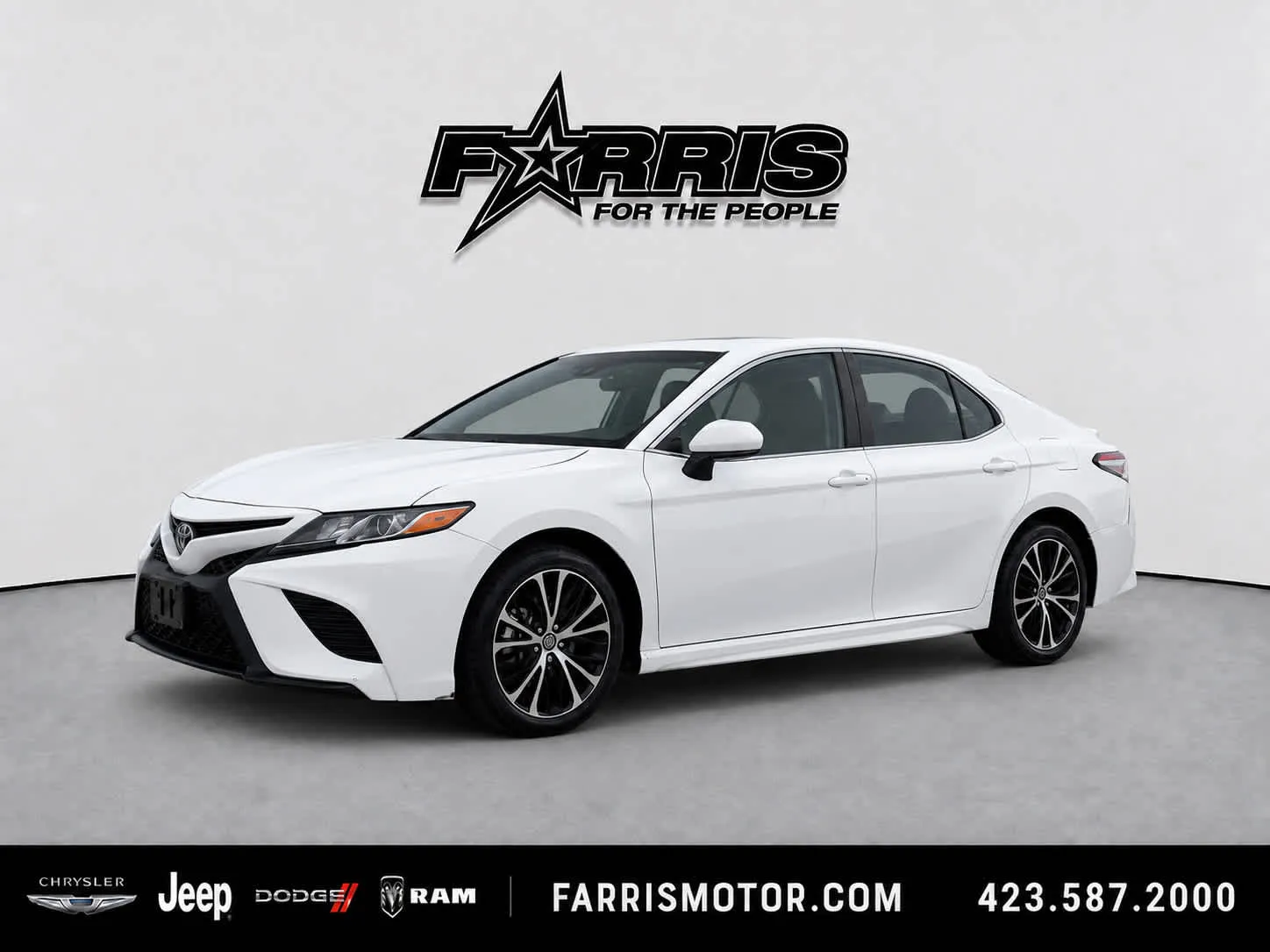
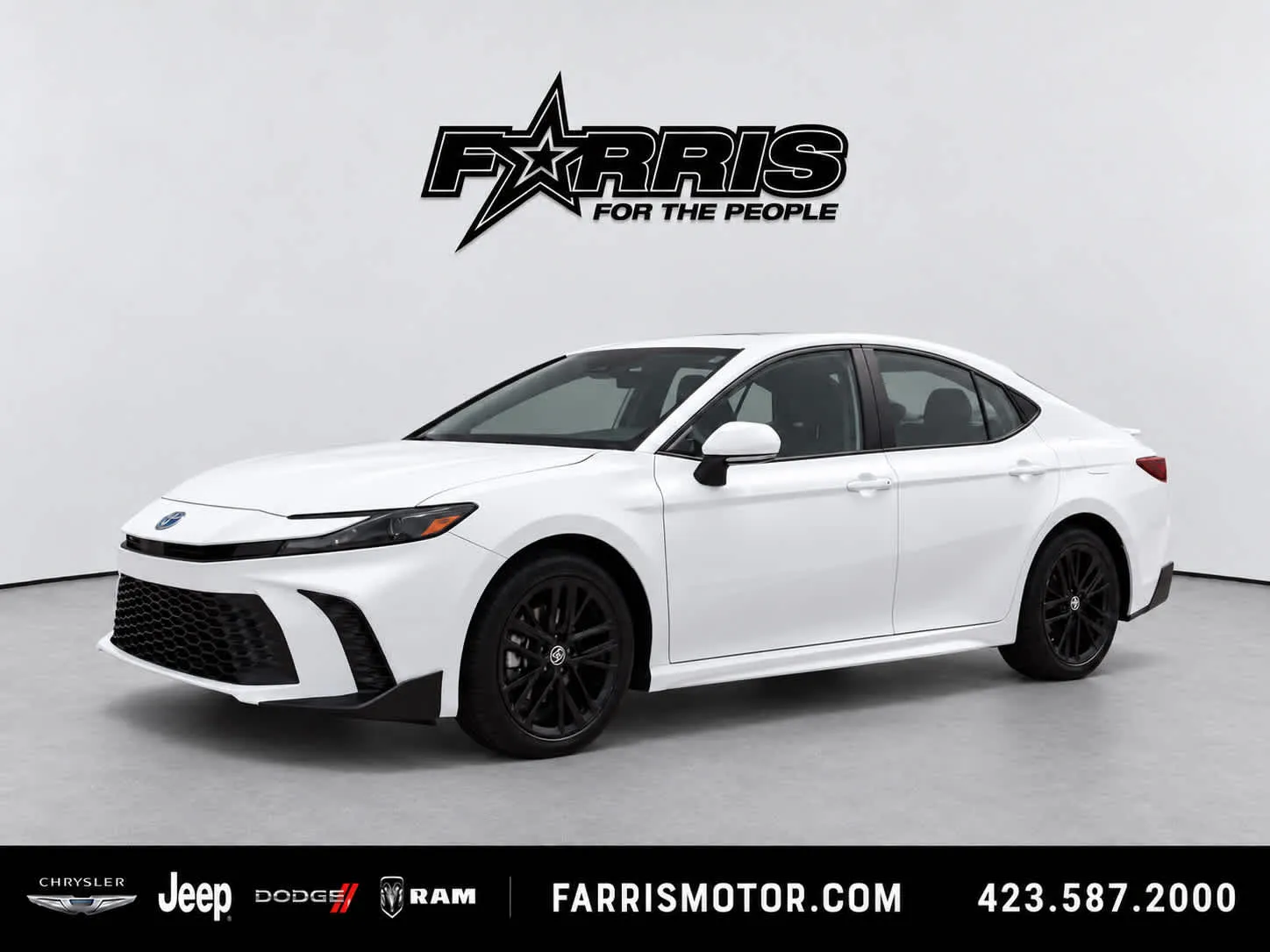
1. Toyota Corolla & Camry: The Gold Standard of Long-Term Durability
Toyota's midsize and compact sedans represent the ultimate benchmark for hassle-free ownership. Utilizing naturally aspirated 4-cylinder engines engineered with conservative tolerances, these vehicles avoid the severe thermal stresses common in high-boost engines.
- Engineering Highlight: Toyota’s D-4S injection system uses both direct and port fuel injectors. Port injection washes gasoline over the intake valves, eliminating the severe carbon buildup that plagues competitor direct-injected engines.
- Best For: Commuters driving daily along US-11E looking for maximum gas mileage (up to 38+ MPG highway) and minimal maintenance costs.
- Inventory Link: Browse Pre-Owned Toyota Sedans in Stock
2. Honda Civic & Accord: Precision Engineering Meets Strong Resale Value
Honda vehicles are famous for precision machining and ergonomic interiors. Whether equipped with a 2.0L naturally aspirated engine or a 2.0L Hybrid setup, Civics and Accords combine sporty road handling with outstanding drivetrain lifespan.
- Engineering Highlight: Honda utilizes low-friction piston rings and maintenance-free steel timing chains, avoiding the $1,000 timing belt replacement bills required by older engine designs.
- Best For: Drivers who want refined highway manners down I-81 and industry-leading equity preservation over a 5-year loan. Read our detailed guide on calculating the real cost of car ownership.
- Inventory Link: Explore Used Honda Vehicles in Morristown
3. Jeep Grand Cherokee: Heavy-Duty 4x4 Capability with Proven V6 Power
For buyers who require true winter traction, high ground clearance, and towing muscle, a pre-owned Jeep Grand Cherokee powered by the 3.6L Pentastar V6 delivers unmatched versatility.
- Engineering Highlight: The 3.6L Pentastar engine features variable valve timing and dual overhead camshafts, mated to a TorqueFlite 8-speed transmission that keeps engine RPMs low during high-speed highway cruising.
- Best For: Navigating steep mountain driveways during winter freeze events and pulling boats to Cherokee Lake or Douglas Lake. Read our guide on whether you need AWD or 4WD in East Tennessee.
- Inventory Link: Shop Pre-Owned Jeep Grand Cherokee Models
4. Chevrolet Equinox & Trax: Versatile, Budget-Friendly Family Crossovers
Compact American crossovers offer comfortable ride quality, modern infotainment screens, and elevated seating positions at highly accessible purchase price points.
- Engineering Highlight: Because millions of General Motors crossovers share common global vehicle platforms, replacement parts—from brake rotors to oxygen sensors—are inexpensive and available at any local service center.
- Best For: Families looking for maximum interior cargo space without stretching their monthly auto loan budget. Browse our used inventory under $15,000.
- Inventory Link: Explore Pre-Owned Crossovers near Jefferson City, TN
5. Ford F-150 & Ranger: Boxed-Frame Strength for Heavy Towing & Hauling
If your daily work or weekend recreational demands involve hauling cargo or pulling trailers, pre-owned Ford trucks offer unmatched structural integrity.
- Engineering Highlight: Ford's high-strength, military-grade aluminum-alloy body panels sit atop a fully boxed steel frame, reducing overall body weight while improving towing efficiency and structural crash safety.
- Best For: Contractors, farm operations, and outdoor enthusiasts who need heavy payload limits and robust 4WD capability. Read our guide to the best trucks on the market for towing.
- Inventory Link: View Pre-Owned Trucks for Sale in Morristown
Master Pre-Purchase Inspection (PPI) Framework for Used Cars
Never rely solely on a clean exterior wash when evaluating a pre-owned vehicle. Perform this structured 5-step mechanical evaluation during your test drive across Hamblen County:
-
Fluid Quality & Leak Analysis:
Pull the engine oil dipstick. Clean oil should be amber and translucent; dark, thick sludge indicates deferred maintenance. Inspect coolant reservoirs for clean pink, green, or orange fluid with no milky oil residue (which signals a blown head gasket). -
Cold-Start Transmission Test:
Start the vehicle from a cold engine state. Shift firmly from Park to Drive and Reverse while holding the foot brake. Listen for loud clunks, delay in gear engagement, or transmission slippage during acceleration. -
Steering & Brake Vibration Check:
Take the vehicle up to highway speed on US-11E and apply firm, steady pressure to the brake pedal. Any steering wheel shudder or pedal pulsation indicates warped brake rotors or loose suspension control arms. -
Underbody Corrosion & Frame Inspection:
Use a flashlight to examine the undercarriage frame rails, exhaust pipes, and brake lines. Avoid vehicles showing heavy flaking rust on structural unibody mounting points. -
Onboard Diagnostics (OBD-II) & Sensor Scan:
Ensure all dashboard warning lights illuminate during the bulb check and turn off completely once the engine starts. Verify that air conditioning, power windows, and safety camera sensors function flawlessly.
Vehicle History Reports: CARFAX & AutoCheck Decoding
A vehicle history report is a digital record compiled from police databases, state titling agencies, insurance companies, and repair centers. Knowing how to read these reports protects your financial investment:
Crucial Red Flags to Avoid
- Salvage or Rebuilt Title Status: Indicates the vehicle was previously declared a total financial loss by an insurance carrier due to severe collision, fire, or flood damage.
- Odometer Rollback Warnings: Inconsistencies in reported mileage entries between service visits indicate potential gauge tampering.
- Structural / Frame Damage Indicators: Indicates collision forces were severe enough to bend the underlying steel chassis, compromising future crash safety.
- Multiple Title Transfers in Short Periods: A vehicle transferred between multiple owners or auctions within a 6-month period often signals persistent mechanical issues that previous owners gave up on fixing.
Financing Strategies: Lock in Affordable Ownership Costs in 2026
Selecting a dependable vehicle is only half the battle; structuring a manageable finance plan is what preserves your monthly budget over a 48 to 72-month loan term:
- Understand the 10/15 Budget Rule: Financial experts recommend keeping your monthly auto payment below 10% to 15% of your take-home income, and your TOTAL vehicle expenses (including gas and insurance) under 20%.
- Leverage Trade-In Equity: Applying cash down or trading in your current vehicle directly reduces your total loan principal, lowering your monthly interest expense and state sales tax liability. Calculate your trade-in value using our instant online trade-in appraisal tool.
- Rebuilding Credit with Flexible Auto Loans: A past bankruptcy or low credit score should not prevent you from owning a safe, reliable vehicle. Farris Motor Company partners with over 30 regional banks and credit unions to secure flexible approvals. Apply online via our secure confidential finance application. Read our guide on financing options for rebuilding credit.
Post-Purchase Protocol: Essential Preventive Maintenance Schedule
Protect your investment immediately after taking delivery of your pre-owned vehicle by completing these critical service benchmarks:
| Service Benchmark | Recommended Maintenance Procedure | Long-Term Reliability Benefit |
|---|---|---|
| Day 1 Post-Purchase | Full synthetic oil and filter change using manufacturer-specified weight; inspect air filters. | Establishes a baseline maintenance date and removes unknown old oil. |
| First 30 Days | Brake fluid flush, coolant density test, and tire pressure alignment check. | Prevents internal brake line corrosion and ensures optimal tire tread wear. |
| Every 5,000 Miles | Tire rotation, visual brake pad inspection, and fluid level top-offs. | Extends tire tread life by up to 30% and keeps braking systems performing safely. |
| Every 30,000 Miles | Transmission fluid service, spark plug check, and cabin air filter renewal. | Prevents expensive transmission valve body wear and maintains engine fuel efficiency. |
Frequently Asked Questions
1. What is considered good mileage for a used car in Morristown, TN?
A: Average driving in East Tennessee accumulates 12,000 to 15,000 miles per year. A 5-year-old vehicle with 60,000 to 75,000 miles and a documented service record represents an ideal balance of upfront purchase price and long-term mechanical life remaining.
2. Which used car brand lasts the longest past 200,000 miles?
A: Toyota and Honda consistently rank highest in long-term vehicle durability studies, with models like the Corolla, Camry, Civic, and Accord frequently crossing 250,000 miles with basic routine maintenance.
3. Are pre-owned American SUVs like the Jeep Grand Cherokee reliable?
A: Yes! Late-model Jeep Grand Cherokees equipped with the 3.6L Pentastar V6 and 8-speed automatic transmission offer exceptional mechanical dependability and superior 4x4 traction during winter weather.
4. How can I verify a used car's service history before buying?
A: Request a complimentary CARFAX or AutoCheck report at Farris Motor Company. These digital histories detail past oil changes, major repair events, ownership counts, and accident checks.
5. Is a higher-mileage reliable brand better than a lower-mileage less reliable brand?
A: Generally, yes. A well-maintained vehicle from a high-dependability manufacturer with 100,000 miles often outperforms a 60,000-mile vehicle from a brand known for frequent electrical or transmission failures.
6. What documents do I need to bring when buying a used car in Tennessee?
A: Bring a valid Tennessee driver's license, proof of auto insurance, your most recent pay stub or bank statements (if financing), and your trade-in vehicle title if applicable.
7. How can I finance a reliable used car if I have bad credit or no credit?
A: Farris Motor Company works with over 30 regional financial institutions offering specialized subprime and first-time buyer auto loans. Apply online via our confidential finance application.
8. Does my credit score impact my total cost of car ownership?
A: Yes. A higher credit score qualifies you for lower loan interest rates (APR) and lower monthly insurance premiums, saving thousands of dollars over a 60-month loan term.
9. Can I trade in my current car even if I still owe money on the loan balance?
A: Absolutely. We handle bank loan payoffs directly and can roll any positive equity into your replacement purchase. Use our online trade-in appraisal tool to get a cash valuation.
10. How can I estimate my monthly payment before visiting the dealership?
A: Use our interactive online car loan calculator to test different vehicle prices, down payments, and loan terms before stepping onto the lot.
Test Drive Morristown's Most Dependable Vehicles Today
At Farris Motor Company, every pre-owned vehicle on our lot undergoes a thorough multi-point mechanical inspection and reconditioning process to guarantee total peace of mind for drivers across Morristown, Jefferson City, Dandridge, and surrounding Hamblen and Jefferson counties.
Take the next step toward a dependable pre-owned vehicle today: