
What Is the Real Cost of Owning a Car?
Table of Contents
What Is the Real Cost of Owning a Car?
Buying a car is an exciting milestone, but the sticker price on the windshield does not tell the whole story. Whether you are shopping for your first vehicle in Morristown, commuting along US-11E, or upgrading to something newer for your family in Jefferson City, knowing what a vehicle will actually cost after you drive it home is essential for long-term financial peace of mind.
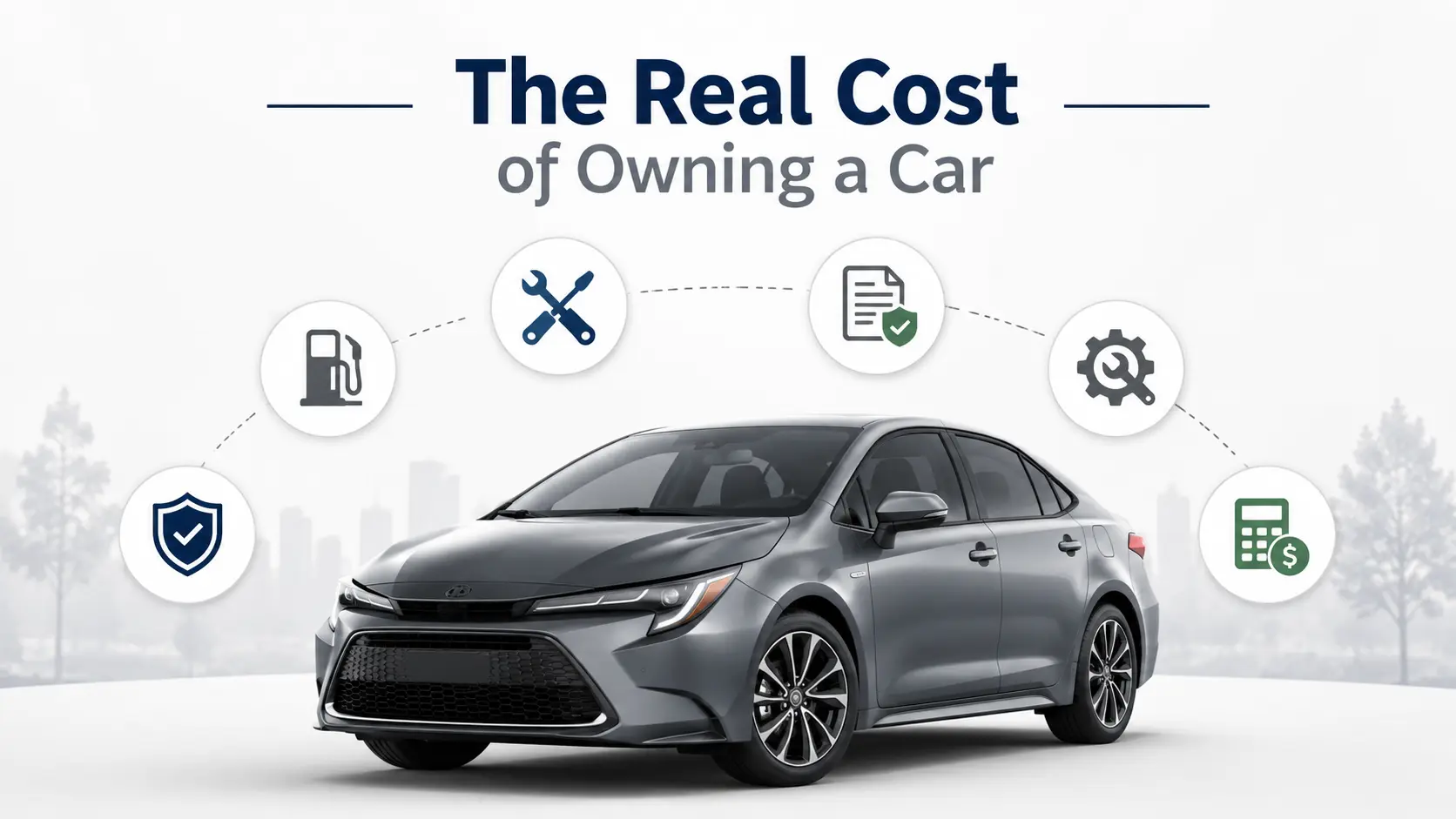
According to national research from AAA, the total average cost of owning and operating a modern vehicle is $11,577 per year (or approximately $965 per month) when calculated across 15,000 annual driving miles. The real cost of ownership includes everything it takes to buy, drive, protect, maintain, and repair your vehicle. Some costs happen every month, like your loan payment, auto insurance, and fuel. Others happen occasionally, like tire replacements, annual county clerk registration renewals, oil changes, and unexpected repairs.
Top 3 Key Takeaways
- Your Monthly Payment Is Only Part of the Equation: Loan payments represent only 35% to 40% of your total vehicle outlay. Insurance, fuel, maintenance, and local taxes account for the rest.
- Depreciation Is the Largest Hidden Expense: New vehicles lose an average of $4,300+ in value during their first year alone. Purchasing a quality pre-owned vehicle avoids this initial steep drop.
- A Smart Budget Includes Emergency Savings: Separating planned routine maintenance from an unexpected emergency repair fund keeps your finances secure when mechanical issues arise.
What Costs Should You Include in a Car Budget?
A complete car budget should include your monthly payment, auto insurance, fuel, routine maintenance, unexpected repairs, taxes, county registration fees, and emergency savings.
Many shoppers focus mostly on the monthly payment. That number matters, but it is not the only number that affects your household budget. Two vehicles with the exact same payment can have vastly different total ownership costs.
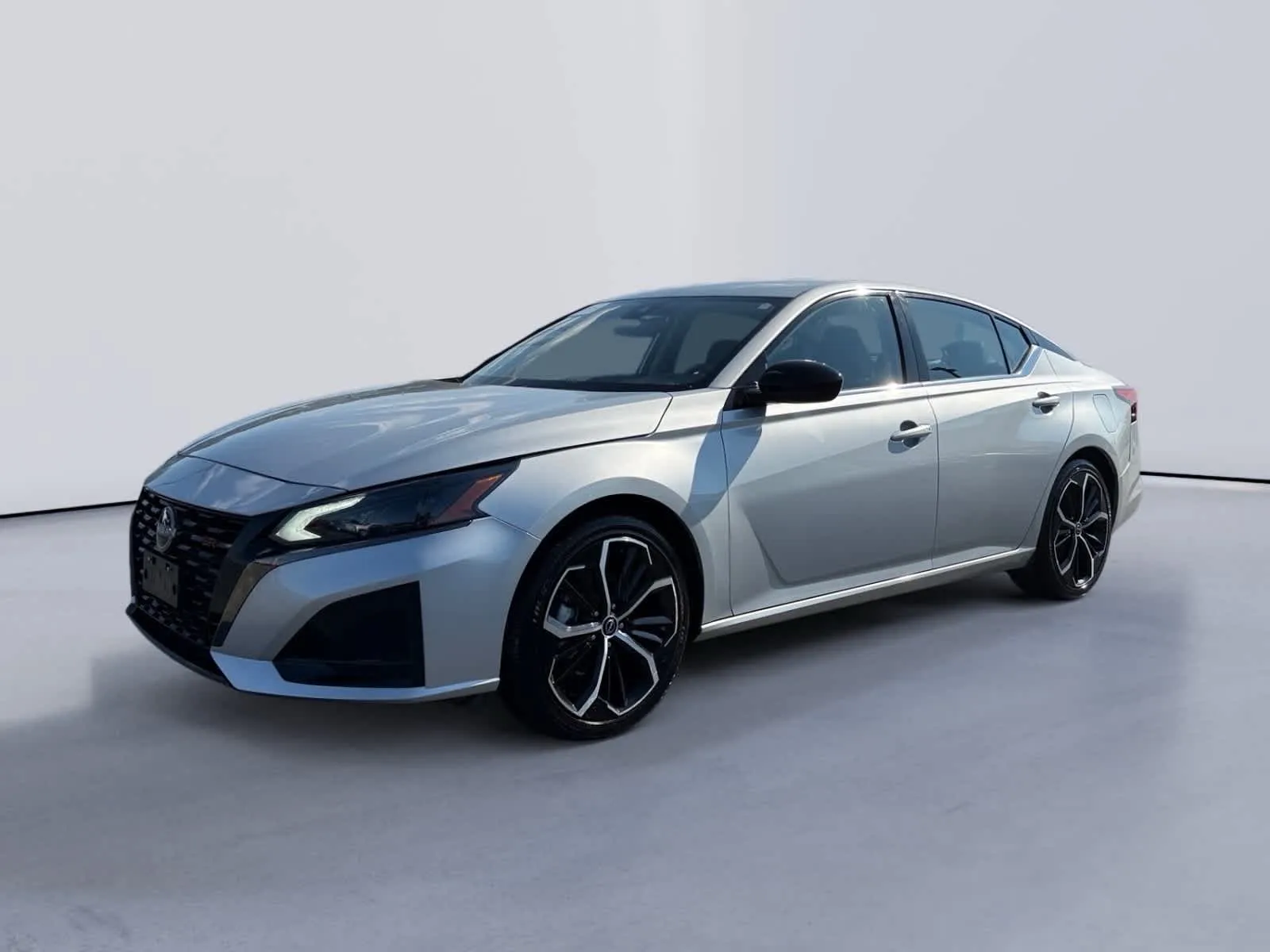
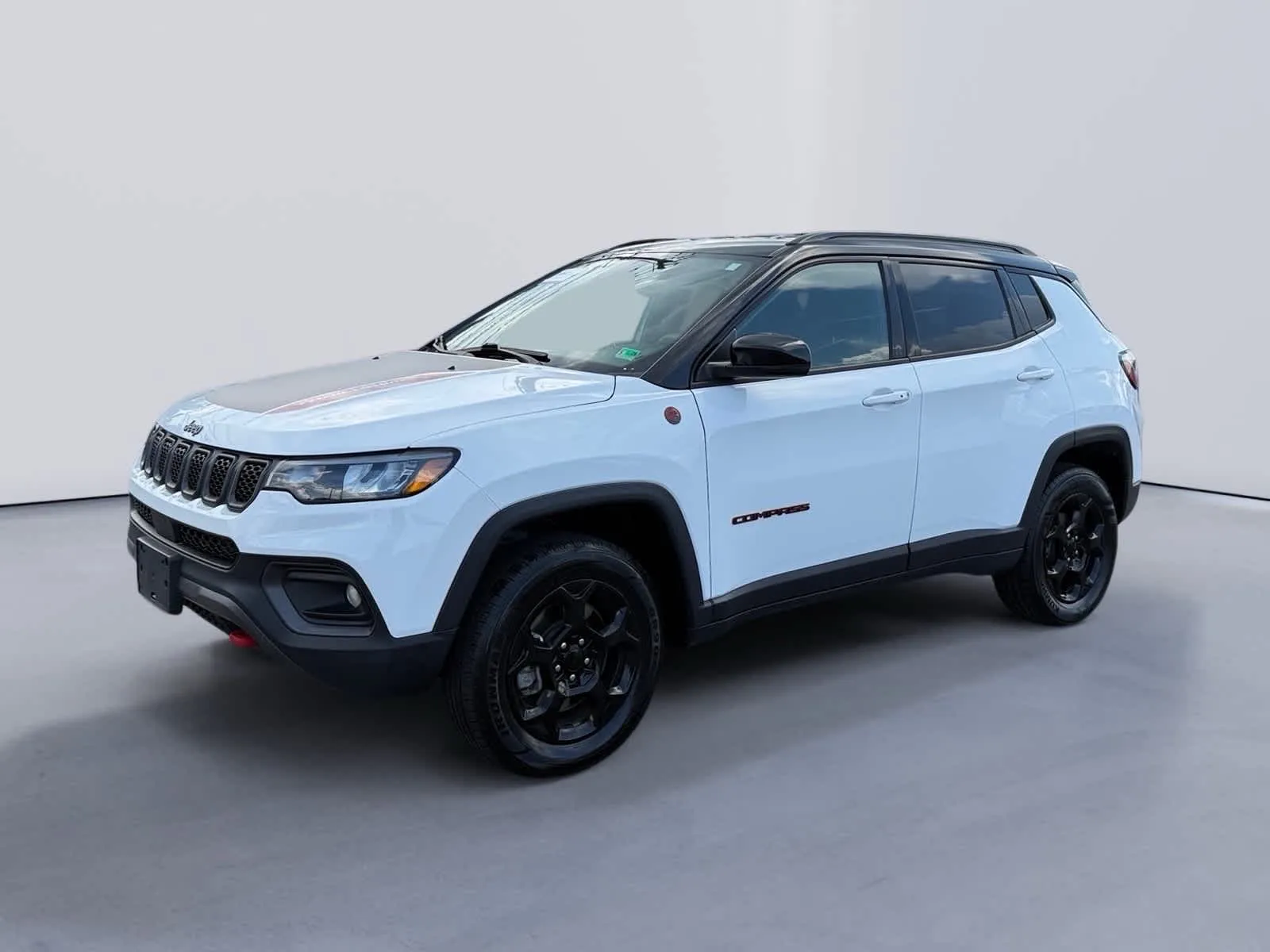
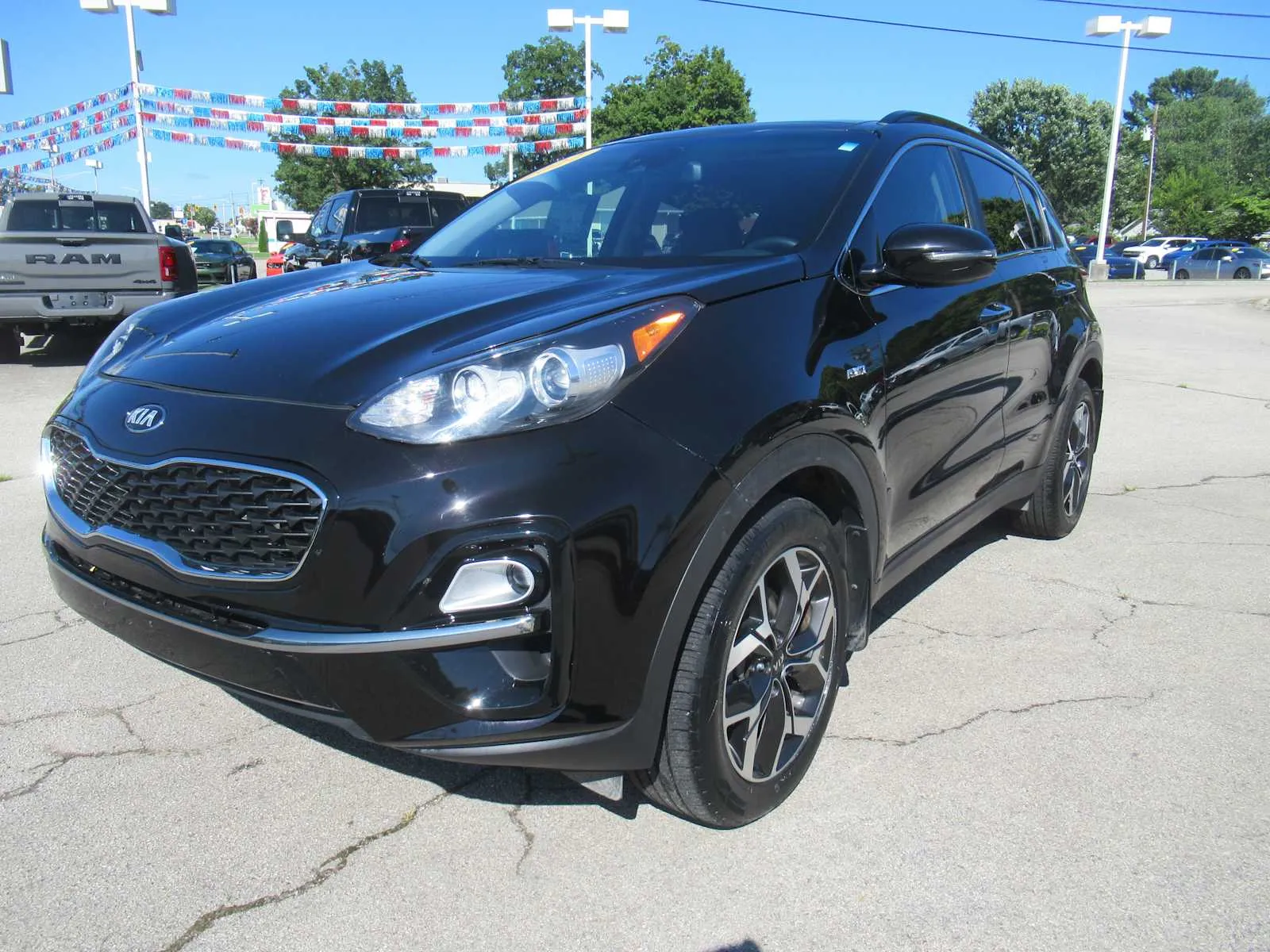
For example, a larger SUV may cost significantly more to fuel and insure than a compact sedan. A luxury vehicle may have higher maintenance and replacement part costs than a mainstream model. An older vehicle may have a lower loan payment but require more repair funds over time.
Annual Vehicle Ownership Cost Distribution
Where your vehicle budget goes beyond the monthly car payment:
Deep Dive: Breaking Down Each Ownership Expense Category
How Much Should You Budget for a Car Payment?
The monthly payment is often the easiest cost to compare while shopping. It is based on the vehicle price, down payment, interest rate, loan term, taxes, fees, and trade-in value. A longer loan term can lower the monthly payment, but it increases the total interest paid over time.
Before choosing a vehicle, look at your full monthly budget. Include housing costs, utilities, groceries, debt payments, and everyday spending. Aim to keep your car payment under 10% to 15% of your gross monthly income. A lower payment is not always the best deal if the car costs more to operate. A slightly higher payment on a more reliable, fuel-efficient vehicle may save money long-term. Use our online car loan calculator to test different loan scenarios.
How Much Does Car Insurance Add to the Cost?
Car insurance can add a major monthly expense, and the cost depends on your location, driving history, credit profile, age, coverage level, and vehicle type. Sports cars, luxury vehicles, newer models, and vehicles with higher repair costs can come with higher premiums.
Before committing to a vehicle, get an insurance quote for that exact year, make, and model VIN. Do not assume your current insurance rate will stay the same. If you are financing a vehicle, your lender will require full coverage insurance (comprehensive and collision), which costs more than minimum liability coverage.
How Much Should You Budget for Fuel?
Your fuel budget depends on how far you drive, your vehicle’s fuel economy (MPG), local East Tennessee gas prices, and whether most of your driving is city or highway. A vehicle that gets better miles per gallon can save you money every week, especially if you have a long commute along US-11E or I-81.
A simple way to estimate fuel cost is to divide your monthly miles by your vehicle’s miles per gallon, then multiply by the price of gas:
(Monthly Miles Driven / Vehicle Combined MPG) x Current Local Gas Price = Estimated Monthly Fuel Cost
What Maintenance Costs Should Car Owners Expect?
Car owners should budget for routine maintenance like synthetic oil changes, tire rotations, air filters, brakes, fluids, batteries, and safety inspections. Maintenance helps prevent bigger, more expensive problems later. Skipping oil changes or delaying brake service saves small amounts today but costs significantly more tomorrow. Read our guide on preventative maintenance to help cars last 200,000+ miles.
How Much Should You Save for Car Repairs?
Repairs are different from routine maintenance. Maintenance is planned; repairs are usually unexpected issues like failing sensors, alternators, water pumps, starters, or suspension components. A good approach is setting aside $50 to $100 every month into an emergency car repair fund so you are never forced to rely on high-interest credit cards when a check engine light appears.
What Taxes and Fees Should You Expect When Buying a Car?
When buying a car, expect state sales tax (7% base in Tennessee plus county surtaxes), title fees, county clerk registration fees, and dealer documentation fees. These affect your out-the-door price—the total amount needed to buy the vehicle. Asking for a full written price breakdown before signing ensures complete transparency.
Should You Budget for Depreciation?
Yes, depreciation should be part of your car ownership plan because most vehicles lose value over time. Depreciation is not a monthly bill, but it affects your overall net worth when you trade, sell, or refinance. Buying a 2-to-4-year-old pre-owned car lets the previous owner absorb the steepest initial drop, protecting your equity position. Read our guide on what to know before buying a used car in Morristown.
Vehicle Category Comparison: Ownership Costs by Body Style
The type of vehicle you choose has a massive impact on your long-term operating expenses. Below is how average per-mile and annual costs compare across popular body styles based on 15,000 annual driving miles:
| Vehicle Category | Average Cost Per Mile | Estimated Annual Cost (15k Miles) | Budget Impact Considerations |
|---|---|---|---|
| Small Sedans (e.g., Corolla, Civic) | ~55.8¢ / mile | $8,380 / year | Lowest fuel, insurance, and replacement tire costs. |
| Subcompact & Compact Crossovers | ~66.1¢ to 68.5¢ / mile | $9,915 to $10,275 / year | Excellent balance of cargo space and high fuel economy. |
| Hybrid Vehicles | ~63.9¢ / mile | $9,585 / year | Lowest fuel consumption for daily commuters. |
| Midsize 3-Row SUVs (e.g., Grand Cherokee L) | ~83.8¢ / mile | $12,570 / year | Spacious family passenger seating with moderate fuel impact. |
| Half-Ton Pickup Trucks (e.g., Gladiator, F-150) | ~98.5¢ / mile | $14,775 / year | Heavy towing and hauling, but carries higher fuel and tire costs. |
Maintenance Benchmarks: What to Budget for Over 90,000 Miles
Routine maintenance expenses do not occur evenly every month. Budgeting for key mileage service intervals prevents financial surprises:
| Mileage Milestone | Standard Maintenance Services | Estimated Cost Range |
|---|---|---|
| Every 5,000 - 7,500 Miles | Synthetic oil change, oil filter replacement, tire rotation, multi-point safety inspection. | $75 - $125 |
| 30,000-Mile Service | Engine air filter, cabin air filter, brake fluid flush, tire rotation, brake pad inspection. | $200 - $500 |
| 60,000-Mile Service | Transmission fluid service, engine coolant flush, brake pad/rotor replacement, spark plug check. | $600 - $1,200 |
| 90,000-Mile Service | Timing belt replacement (if equipped), water pump, new spark plugs, differential fluid change, suspension inspection. | $900 - $1,800 |
What Is a Realistic Monthly Car Ownership Budget?
A realistic monthly car ownership budget includes your loan payment, insurance, fuel, maintenance savings, repair savings, and registration or tax savings. Here is an interactive estimator to calculate your real-world monthly commitment:
Real-Cost Vehicle Budget Estimator
Enter your projected monthly amounts to calculate your true monthly ownership expense:
The key is thinking beyond the payment. A car that looks affordable at $400 per month may really cost closer to $800 or $900 per month once insurance, fuel, and maintenance are included.
Car Ownership Budget Checklist
Copy and use this checklist before buying your next vehicle to compare vehicles clearly and ensure a car fits your real-world budget:
| Budget Line Item | Estimated Monthly Cost | Verification Status / Notes |
|---|---|---|
| Monthly Car Payment | $ _______ | Calculated with interest & terms. |
| Auto Insurance Premium Quote | $ _______ | Confirmed quote for specific VIN. |
| Estimated Fuel Expense | $ _______ | Based on commute miles & local MPG. |
| Routine Maintenance Reserve | $ _______ | Set aside $50 - $100 monthly. |
| Emergency Repair Fund | $ _______ | Savings buffer for unexpected fixes. |
| County Registration & Tags | $ _______ | Annual fee divided by 12 months. |
| TOTAL MONTHLY COMMITMENT | $ _______ | Target under 20% of gross income. |
How Can You Lower the Cost of Owning a Car?
You can lower the cost of owning a car by choosing the right vehicle, comparing insurance quotes, improving your credit profile, keeping up with maintenance, and driving efficiently:
- Shop for Your Lifestyle: If you do not need a large truck or 3-row SUV every day, a compact sedan or crossover saves thousands in fuel, tires, and insurance.
- Make a Larger Down Payment: A larger down payment or trade-in credit reduces your loan principal, lowers your monthly payment, and improves financing terms. Calculate your current car's equity using our instant online trade-in appraisal tool.
- Improve Your Credit Score Before Financing: A higher credit score unlocks lower interest rates (APR) and cheaper insurance premiums. Read our guide on financing options for buyers establishing or rebuilding credit.
- Keep Up with Preventative Maintenance: Timely synthetic oil changes, clean fluids, and proper tire inflation prevent catastrophic mechanical repairs.
Frequently Asked Questions About the Real Cost of Owning a Car
1. What is the biggest cost of owning a car?
A: Depreciation is the largest single hidden cost, accounting for nearly 38% of total ownership expenses over five years. Out-of-pocket, the monthly car payment and fuel represent the largest recurring bills.
2. How much should I budget for car maintenance each month?
A: Most drivers benefit from setting aside $50 to $100 monthly. This covers routine oil changes, tire rotations, brake service, and filters without causing financial stress when service is due.
3. Is a used car cheaper to own than a new car?
A: Yes. Pre-owned vehicles avoid initial first-year depreciation drops, resulting in lower purchase prices, smaller loan balances, reduced sales tax, and lower insurance rates.
4. Should I get an insurance quote before buying a car?
A: Yes. Insurance costs vary significantly by vehicle. Requesting a quote for the specific VIN before purchasing ensures there are no surprises in your monthly budget.
5. How do I calculate the real monthly cost of a car?
A: Add your estimated car payment, full coverage insurance premium, monthly fuel cost, routine maintenance reserve, and emergency repair savings together.
6. What is the best way to avoid unexpected car expenses?
A: The best way is to buy a vehicle that fits your budget, keep up with scheduled maintenance, inspect the vehicle carefully during test drives, and save money every month for repairs.
7. How much does AAA estimate the average car costs per year?
A: According to AAA, the total cost to own and operate a new vehicle averages $11,577 per year (approx. $965/month) when driven 15,000 miles annually.
8. Does credit score impact my total cost of car ownership?
A: Yes. A higher credit score unlocks lower loan interest rates (APR) and lower auto insurance premiums, saving thousands over a 48-to-60-month loan term.
9. Are hybrid cars cheaper to operate long-term?
A: Yes. Hybrids offer significant fuel savings and experience lower brake pad wear due to regenerative braking systems, leading to lower overall operating costs per mile.
10. How do I get an accurate value for my trade-in vehicle?
A: Enter your VIN or license plate into our online trade-in appraisal tool to receive an instant real-time market appraisal.
The Bottom Line: What Is the Full Cost of Owning a Car?
The full cost of owning a car includes every dollar you spend to buy it, insure it, fuel it, maintain it, repair it, and keep it legally registered. A smart buyer looks at the complete picture before signing paperwork. When you budget correctly, car ownership becomes predictable and enjoyable without every oil change or gas fill-up throwing off your finances.
At Farris Motor Company, we are here to help you find a vehicle that fits your life and your budget. Start exploring your options today: