
How Many Miles Can a Car Last? Understanding the Longevity of Your Vehicle
How Many Miles Can a Car Last? Understanding the Longevity of Your Vehicle
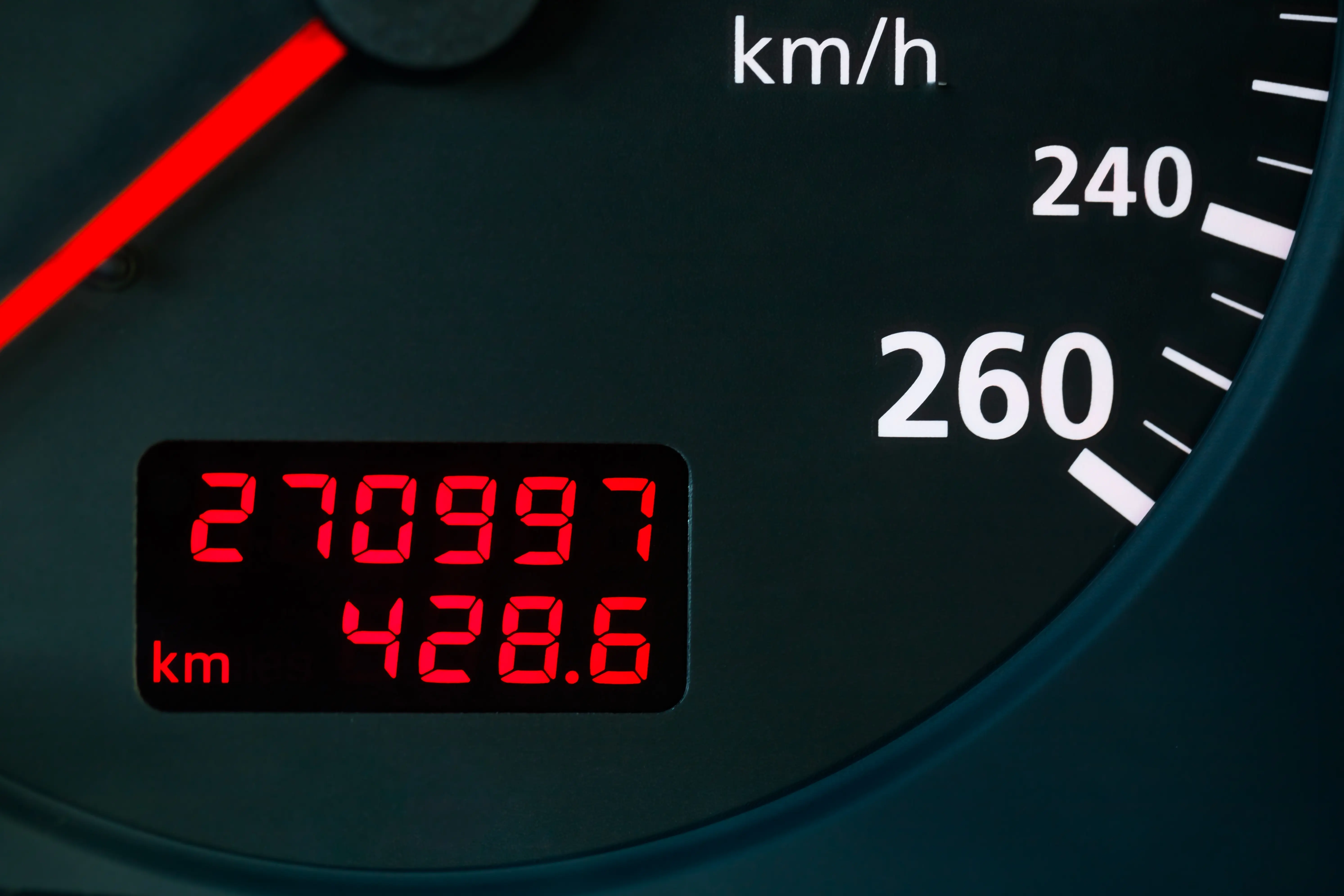
In an era where the average price of a new vehicle continues to climb, maximizing the longevity of your car, truck, or SUV is one of the smartest financial decisions a driver in East Tennessee can make. While traditional wisdom once suggested that cars become money pits after passing the 100,000-mile mark, modern automotive engineering and synthetic lubrication technology have changed the game completely. Today, a properly maintained vehicle can routinely reach 200,000, 250,000, or even 300,000 miles without requiring a major powertrain overhaul.
Whether you are commuting down US-11E, navigating stop-and-go traffic along West Morris Boulevard in Morristown, or driving up steep incline grades toward the Great Smoky Mountains, keeping your vehicle running reliably for two decades comes down to proactive maintenance and understanding mechanical wear patterns. In this guide, we break down how many miles a car can last, top high-mileage vehicle brands and engines, an essential preventative maintenance checklist, fluid service schedules, and guidance on when to maintain versus when to trade in.
How Many Miles Can a Modern Car Last?
With proper care, the average modern passenger car is built to last 200,000 miles or roughly 15 years. However, exceptional vehicles—especially those built with bulletproof naturally aspirated engines and robust traditional automatic transmissions—regularly surpass 300,000 miles on their original engine block and transmission housing.
Automotive industry research indicates that vehicle lifespan is dictated by three core pillars:
- Build Quality & Engineering Standards: Certain vehicle platforms, engine blocks, and transmission designs are inherently engineered with heavier tolerances and superior corrosion resistance.
- Driving Conditions & Climate: Highway driving puts significantly less stress on engine components, brakes, and transmissions compared to short, cold-engine city trips. Additionally, severe mountain grades and winter road salts in East Tennessee require proactive chassis and rust care.
- Adherence to Preventative Maintenance: Over 80% of premature vehicle mechanical failures (such as blown head gaskets, thrown rod bearings, or slipped transmission bands) are caused by neglected fluid changes, deferred cooling system maintenance, or ignored timing belt service intervals.
High-Mileage Champions: Top Brands & Legendary Engines
When shopping for a long-lasting pre-owned vehicle, engine design and manufacturer reputation matter tremendously. Below are the automotive brands and specific powertrain configurations renowned for extreme longevity:
1. Toyota & Lexus (The Mileage Benchmarks)
Toyota consistently leads industry reliability rankings. Models like the Toyota Corolla, Camry, RAV4, Highlander, Tacoma, and Tundra frequently cross 250,000 to 300,000 miles with basic routine maintenance.
- Legendary Powertrains: The 2.5L 2AR-FE 4-Cylinder, 3.5L 2GR-FE V6, and the heavy-duty 4.7L 2UZ-FE V8 (found in older Tundras and Sequoias) are globally recognized as nearly indestructible.
- Explore Inventory: Browse our pre-owned inventory of reliable used sedans and crossovers in Morristown, TN.
2. Honda & Acura (Precision Mechanical Engineering)
Honda vehicles are famous for exceptional engine tolerances and long-term fuel efficiency. Vehicles like the Civic, Accord, CR-V, and Pilot routinely hit 200,000+ miles when fluid changes are performed on schedule.
- Legendary Powertrains: The naturally aspirated 2.0L K20 4-Cylinder and the venerable 3.5L J35 V6 engine series.
- Gas Efficiency Guide: Read our guide on the best used cars for outstanding gas mileage.
3. General Motors (Full-Size Trucks & V8 SUVs)
While compact cars vary, GM’s full-size, body-on-frame trucks and SUVs (Chevy Silverado, Tahoe, Suburban, GMC Sierra, and Yukon) are legendary high-mileage workhorses.
- Legendary Powertrains: The naturally aspirated 5.3L Vortec / EcoTec3 V8 engine block is known to log 250,000 to 350,000 miles with regular oil service.
- Truck Inventory: View our pre-owned selection of durable used trucks built for heavy towing and hauling.
4. Ford Motor Company (Trucks & Work Vans)
Ford’s full-size F-150 pickups and Transit commercial vehicles dominate high-mileage fleet benchmarks across East Tennessee.
- Legendary Powertrains: The 5.0L Coyote V8 and the commercial-grade 6.7L Power Stroke Turbo-Diesel V8.
Preventative Maintenance Checklist for 200,000+ Miles
The secret to keeping a car running smoothly past 200,000 miles isn't luck—it is rigorous, scheduled preventative maintenance. Follow this mechanical inspection and service roadmap:
| Component / System | Recommended Service Interval | Why It Matters for Vehicle Lifespan |
|---|---|---|
| Engine Oil & Filter | Every 3,000 to 5,000 miles (Full Synthetic) | Prevents internal sludge buildup, valve train wear, and timing chain stretch. Read our guide on expert oil change service in Morristown. |
| Cooling System / Antifreeze Flush | Every 50,000 to 60,000 miles | Engine overheating is the #1 killer of high-mileage engines, causing warped cylinder heads and blown head gaskets. |
| Transmission Fluid & Filter | Every 40,000 to 60,000 miles | Fresh fluid removes metallic friction debris and prevents internal clutch slippage and valve body failure. |
| Timing Belt & Water Pump | Every 90,000 to 105,000 miles | On interference engines, a snapped timing belt causes pistons to strike valves, resulting in total engine destruction. |
| Brake Fluid Flush | Every 30,000 miles or 3 years | Brake fluid absorbs ambient moisture over time, rusting ABS hydraulic valves and lowering fluid boiling points during steep mountain braking. |
| Wheel Alignment & Suspension Shocks | Every 12,000 to 15,000 miles | Prevents irregular tire wear and protects steering linkages along rough roads. Learn why wheel alignments matter for vehicle safety. |
Timing Belts vs. Timing Chains: Critical Care Differences
Understanding whether your vehicle uses a Timing Belt or a Timing Chain is essential for high-mileage engine survival:
- Timing Belts (Rubber Composition): Rubber belts degrade over time due to heat and oil exposure. They must be replaced every 90,000 to 105,000 miles along with the water pump and tensioner pulleys. Deferring timing belt service risks sudden engine failure.
- Timing Chains (Steel Composition): Designed to last the life of the engine under normal conditions. However, timing chains rely on clean engine oil pressure for hydraulic tensioning. Skipping oil changes causes tensioners to fail and chains to stretch, triggering engine misfires and costly repairs.
Driving Habits That Add 100,000 Miles to Your Vehicle
How you operate your vehicle every day impacts mechanical longevity just as much as fluid changes:
- Avoid Aggressive Cold Starts: Allow your engine 30 to 60 seconds to circulate oil before driving, and avoid hard acceleration until the engine reaches normal operating temperature. Most engine wear occurs during the first few minutes of cold operation.
- Minimize Excessive Idling: Idling causes incomplete fuel combustion, leading to carbon buildup on intake valves and fuel injectors—especially on modern Direct-Injection (GDI) engines.
- Drive Smoothly and Anticipate Stops: Abrupt acceleration and heavy braking put unnecessary stress on engine mounts, transmission clutches, CV axles, and brake rotors.
- Fix Minor Mechanical Issues Early: A small vacuum leak, bad oxygen sensor, or worn suspension bushing puts extra stress on surrounding components. Addressing minor repairs quickly prevents cascading failures. Read about what to inspect when evaluating a pre-owned vehicle.
When to Keep Your High-Mileage Car vs. When to Trade It In
Every vehicle eventually reaches a point where repair costs must be weighed against total vehicle value. Use this decision matrix when deciding whether to keep investing in repairs or trade in your car:
- Keep the Car If:
- Annual maintenance and repair costs are significantly lower than 12 months of new car payments.
- The engine block, transmission, and structural frame remain mechanically sound.
- The vehicle has a fully documented maintenance history and clear title status. Learn about clean title vs. salvage/rebuilt title differences.
- Trade In the Car If:
- The cost of a single repair (e.g., a $5,000 transmission replacement or blown engine) exceeds 50% to 70% of the vehicle’s current market value.
- Subframe rust or body corrosion compromises structural crash safety.
- Unreliable transportation threatens your daily job commute or family safety. Get an instant value for your current vehicle using our online trade-in appraisal tool.
Frequently Asked Questions
1. How many miles is considered "high mileage" for a used car?
A: Traditionally, 100,000 miles was considered high mileage. However, with modern engineering, vehicles with 100,000 to 120,000 miles that possess complete service records still have plenty of reliable life remaining.
2. Can synthetic oil make a high-mileage engine last longer?
A: Yes. Full synthetic motor oil offers superior thermal stability, reduces internal friction under extreme summer heat, and resists sludge formation far better than conventional mineral oil.
3. Is it safe to buy a used car with over 150,000 miles?
A: Yes, provided the vehicle undergoes a thorough pre-purchase inspection and comes with a documented service history (such as a clean CARFAX report) showing regular oil changes and cooling system maintenance.
4. Should I change transmission fluid on a car with over 150,000 miles if it has never been changed?
A: Caution is required. On extremely high-mileage transmissions with neglected fluid, a harsh power flush can dislodge metallic debris and cause clutch slippage. A gentle drain-and-fill with a filter replacement is generally recommended instead of a high-pressure flush.
5. Why do highway miles cause less wear than city miles?
A: Highway driving allows the engine to run at steady operating temperatures and low RPMs with minimal gear shifting and brake usage. City driving involves constant cold starts, stop-and-go idling, frequent gear shifts, and heavy brake wear.
6. What is the most expensive repair on a high-mileage vehicle?
A: Complete automatic transmission replacement, internal engine rebuilds (due to thrown rod bearings or cracked blocks), and severe frame rust repairs are typically the most expensive vehicle repairs.
7. How long can a car run after the check engine light comes on?
A: A steady yellow check engine light indicates an emissions or sensor issue that should be diagnosed promptly. A flashing check engine light indicates an active engine misfire that can destroy your catalytic converter within miles—stop driving immediately!
8. Does rust shorten the mechanical lifespan of a car?
A: Yes. Structural subframe rust and suspension mount corrosion compromise crash safety and make routine mechanical repairs difficult or impossible due to seized bolts.
9. Can bad fuel injectors cause engine failure?
A: Yes. A leaking or stuck-open fuel injector can wash away protective oil films from cylinder walls, causing piston ring wear, diluted engine oil, and eventual engine failure.
10. How can I finance a reliable pre-owned car if I have credit challenges?
A: At Farris Motor Company, we offer flexible subprime and special financing programs tailored for buyers with varying credit backgrounds. Explore our options for flexible financing on reliable pre-owned vehicles and apply for confidential financing online.
Maintain or Upgrade Your Vehicle at Farris Motor Company
Whether you need professional certified service to keep your current vehicle running past 200,000 miles or are ready to upgrade to a thoroughly inspected pre-owned model, Farris Motor Company is here to help drivers across Morristown, Jefferson City, and all of Hamblen County.
Visit our service centers or explore our inventory online today: