
Paying Cash for a Car: Pros, Cons, and Considerations
Table of Contents
Paying Cash for a Car: Pros, Cons, and Considerations
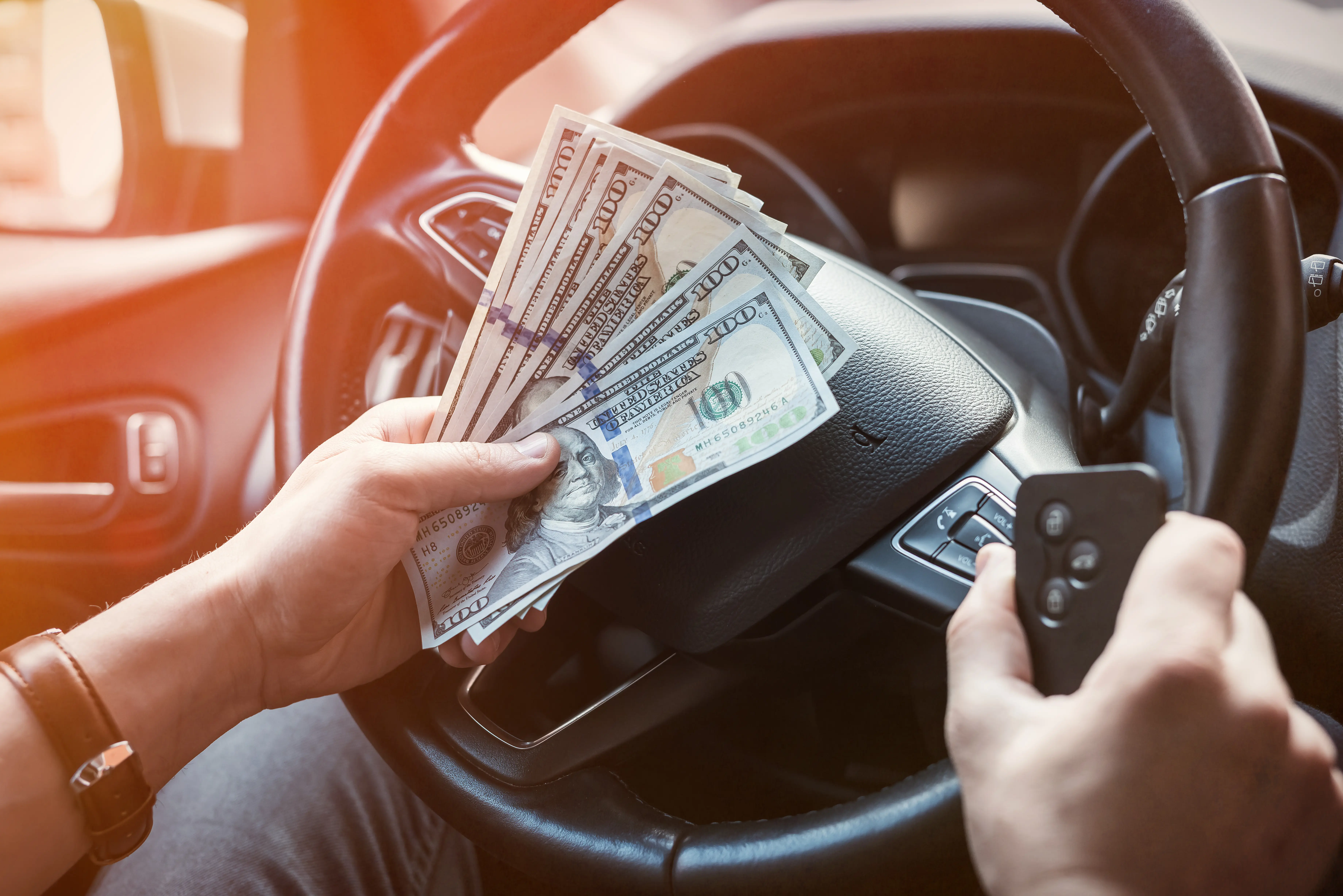
When purchasing a new or pre-owned vehicle, one of the most consequential financial decisions you will make is determining how to pay for it: Should you pay cash in full or finance the purchase through an auto loan?
For generations, paying cash was regarded as the ideal way to buy a car. Paying upfront eliminates monthly car payments, spares you from interest charges, and provides immediate 100% vehicle title ownership. However, in today’s financial climate, locking up tens of thousands of dollars in a depreciating asset isn’t always the most strategic decision—especially when competitive financing rates, promotional dealership incentives, or higher-yielding investment opportunities are available.
Whether you are shopping in Morristown, Jefferson City, or anywhere across East Tennessee, this comprehensive guide explores everything you need to know about paying cash versus financing a car, common myths surrounding dealer payment preferences, interest rate impact tables, tax regulations, opportunity cost calculations, and payment planning tools.
Side-by-Side Comparison: Paying Cash vs. Financing a Car
Compare the practical advantages, drawbacks, and long-term financial impacts of cash purchases versus auto financing at a glance:
| Financial Factor | Paying Cash Upfront | Financing via Auto Loan |
|---|---|---|
| Monthly Car Payment | Zero ($0 per month) | Fixed monthly principal & interest payment |
| Total Interest Expense | Zero interest paid ($0) | Interest accrued over loan term (36 to 72 months) |
| Liquidity & Emergency Reserves | Depletes liquid savings immediately | Preserves liquid capital for emergencies or investments |
| Credit Profile Impact | No credit-building benefit | Builds positive payment history with timely installments |
| Rebates & Incentives | May disqualify you from lender-backed finance rebates | Eligible for manufacturer finance incentives & APR deals |
| Vehicle Title Status | Immediate clear title in hand | Lienholder recorded on title until paid in full |
Busting the Myth: Do Dealerships Prefer Cash?
There is a persistent myth among vehicle buyers that walking into a showroom with a stack of cash or a cashier's check guarantees a lower vehicle price. In reality, modern dealerships do not prefer physical cash over financing—and paying cash rarely grants leverage for a deeper discount.
Here is why the automotive industry operates this way and why financing is often preferred by retailers:
1. How Dealerships Earn Finance Reserve
When a dealership assists you in securing an auto loan through a partner bank or credit union, the lender compensates the dealership with a modest origination fee (known as finance reserve). When a buyer pays cash, the dealership forfeits this revenue stream entirely, which reduces their flexibility to discount the vehicle further.
2. Manufacturer Financing Incentives & Cash-Back Rebates
Automakers frequently offer substantial cash-back incentives or promotional APR financing rates—under the condition that you finance through their captive lender (such as Ford Credit or Chrysler Capital). If you insist on paying cash, you may forfeit these factory-backed savings.
3. Anti-Money Laundering Compliance & IRS Form 8300 Rules
Under federal banking laws, businesses receiving more than $10,000 in physical cash or currency must file IRS Form 8300 within 15 days. Handling large sums of physical cash requires strict security and administrative oversight, whereas cashier's checks or direct Electronic Funds Transfers (EFT) offer a far smoother transaction process.
Pro Buyer Strategy: If you prefer to pay cash but want to qualify for a lucrative finance rebate, consider financing the vehicle to claim the incentive savings and then paying off the loan balance shortly afterward. Be sure to review your loan agreement to confirm there are no early prepayment penalties! Read our full guide on how soon you can refinance or pay off an auto loan.
Interest Rate Impact Matrix: Example Calculations
To evaluate whether paying cash or financing aligns with your personal budget, review how different Annual Percentage Rates (APR) and loan terms affect monthly payments and total interest costs on an example $25,000 loan amount:
| Example Loan Amount | APR Rate (%) | Loan Term | Est. Monthly Payment | Total Interest Paid | Total Overall Cost |
|---|---|---|---|---|---|
| $25,000 (Example) | 3.99% (Promotional Rate) | 48 Months | $564 / mo | $2,096 | $27,096 |
| $25,000 (Example) | 5.99% (Good Credit Tier) | 60 Months | $483 / mo | $3,992 | $28,992 |
| $25,000 (Example) | 7.99% (Average Credit Tier) | 60 Months | $507 / mo | $5,398 | $30,398 |
| $25,000 (Example) | 10.99% (Challenged Credit) | 72 Months | $476 / mo | $9,268 | $34,268 |
Analyzing the Math: At a low 3.99% APR, paying $2,096 in interest over four years may be worthwhile if it keeps $25,000 liquid in a high-yield account or investment vehicle. Conversely, at 10.99% APR, paying cash saves you over $9,000 in interest charges.
Understanding Opportunity Cost & Capital Preservation
When choosing whether to pay cash for a vehicle, experienced investors assess Opportunity Cost—the potential return you forfeit by spending liquid funds on one asset rather than investing them elsewhere.
- High-Yield Accounts & Fixed Returns: If high-yield savings accounts or Certificates of Deposit (CDs) yield 4.5% to 5.0% APY, and you qualify for a 2.9% auto loan rate, financing allows your money to earn a higher yield in the bank than the interest rate charged on the vehicle loan.
- Preserving Emergency Reserves: Financial advisors consistently recommend maintaining three to six months of living expenses in accessible savings. Spending all your available cash on a vehicle can leave you vulnerable to unexpected home repairs or medical expenses, potentially forcing you into high-interest debt later.
- Establishing Credit Depth: If you are aiming to build or restore a strong credit profile, securing an auto loan and maintaining on-time monthly payments demonstrates credit reliability. Read about whose credit score is evaluated on joint applications, what lenders look for on credit reports, and buying a car with credit flexibility.
Tax Regulations & Payment Compliance
If you choose to purchase a vehicle using cash, keep these important legal and tax considerations in mind:
- State & Local Sales Tax: Paying cash does not exempt you from sales tax obligations. In Tennessee, vehicle sales are subject to state sales tax plus local county surcharges regardless of whether you pay in full or finance. However, trading in a vehicle can reduce your taxable balance. Learn more about managing trade-in equity and vehicle transactions.
- IRS Currency Reporting (Form 8300): Under federal anti-money laundering laws, businesses receiving more than $10,000 in physical cash or currency must submit IRS Form 8300 within 15 days. Personal checks, cashier's checks over $10,000, and bank wire transfers are exempt from this requirement.
The Hybrid Buyer Strategy: A 50% Down Payment Balance
You do not have to choose between paying 100% cash or financing 100% of the purchase price. Many strategic buyers adopt a Hybrid Payment Approach to achieve the best of both options:
- Make a 30% to 50% Cash Down Payment: Provide a substantial down payment using cash or trade-in equity. Discover how down payment amounts influence loan approvals. You can also calculate your trade-in value online in seconds.
- Finance the Remaining Balance Over 36 to 48 Months: Finance a small, manageable principal amount. This secures a low, comfortable monthly payment while preserving the majority of your cash savings.
- Maintain Early Payoff Flexibility: Pay off the small remaining balance ahead of schedule whenever you choose, without sacrificing your financial cushion up front.
Interactive Payment Planning Tool
Want to see how various down payment amounts, interest rates, and loan terms impact your monthly budget before visiting the dealership?
Use our online payment tool to test different purchase scenarios:
Calculate Your Estimated Car Payment Here
Frequently Asked Questions (10 Essential Car Buyer FAQs)
1. Does paying cash for a car lower the selling price?
A: Generally, no. Dealerships earn origination fees from lending partners, and manufacturers frequently offer finance-exclusive cash-back rebates. Because of these factors, paying cash rarely grants leverage for a lower selling price, and financing may actually unlock additional savings.
2. Can I pay cash for part of a car and finance the rest?
A: Absolutely! This is simply making a down payment. Putting down cash reduces your overall loan principal, lowers your monthly payment, and minimizes the total interest you will pay over the life of the loan.
3. What is the safest way to pay cash for a car at a dealership?
A: The safest and most convenient payment method is a cashier's check issued by your bank or a direct Electronic Funds Transfer (EFT). Carrying large sums of physical paper currency presents safety risks and triggers federal IRS reporting requirements.
4. Why do car dealerships prefer buyers to finance instead of paying cash?
A: Dealerships partner with banks and credit unions that pay compensation fees for originating auto loans. Additionally, captive manufacturer lenders provide promotional customer rebates that are only valid when financing through their network.
5. Can I finance a car to get a rebate and then pay it off right away?
A: Yes, in most cases. You can finance the vehicle to claim the manufacturer’s finance-only rebate and then pay off the loan balance in full shortly after. Just ensure your finance agreement does not contain early prepayment penalty clauses.
6. Do I still have to pay sales tax if I pay cash for a vehicle in Tennessee?
A: Yes. Paying cash does not exempt a buyer from state or local vehicle sales taxes. In Tennessee, sales tax applies to the final purchase price regardless of whether the vehicle is paid for in cash, financed, or leased.
7. Will paying cash for a car hurt or help my credit score?
A: Paying cash has a neutral impact on your credit score—it neither helps nor hurts it. Because no loan is created, no payment history is reported to credit bureaus. If you are trying to establish or improve your credit history, financing and making on-time payments is more beneficial.
8. Does paying cash eliminate the need for full coverage insurance?
A: Technically, yes. When you own a car free and clear with no lienholder listed on the title, you are only legally required to carry state-mandated liability insurance. However, dropping comprehensive and collision coverage leaves your vehicle unprotected against accident damage, storm loss, or theft.
9. Why does the dealership ask for my Social Security Number if I pay cash?
A: Federal anti-money laundering and Homeland Security regulations (such as OFAC patriot compliance checks) require dealerships to verify the identity of buyers making large transactions, even when paying in full with a cashier's check.
10. Is it better to pay cash for a new car or a used car?
A: Paying cash is often more advantageous for used cars because interest rates on pre-owned auto loans tend to be higher than promotional rates on new cars. Conversely, new cars frequently offer 0% or low APR manufacturer financing, making financing a new car mathematically more attractive.
Explore Flexible Purchasing Options at Farris Motor Company
At Farris Motor Company, whether you prefer paying cash in full, providing a solid down payment, or securing competitive auto financing, our dedicated team is here to ensure a transparent, hassle-free buying experience.
Visit our showrooms along West Morris Boulevard in Morristown or East Broadway Boulevard in Jefferson City, or explore our online tools today: