
What to Look for When Buying a Used Car: Complete Buyer's Guide
Purchasing a used vehicle can be one of the most practical financial decisions a buyer makes, provided the process is approached with diligence and a clear understanding of what to evaluate. Exploring a quality used inventory often delivers significant value compared to buying new, but that value depends entirely on the condition of the vehicle, the accuracy of its history, and the terms under which it is sold. This guide outlines the essential factors every buyer should examine before committing to a purchase, so the decision is informed, transparent, and sound.
Why a Thorough Inspection Matters
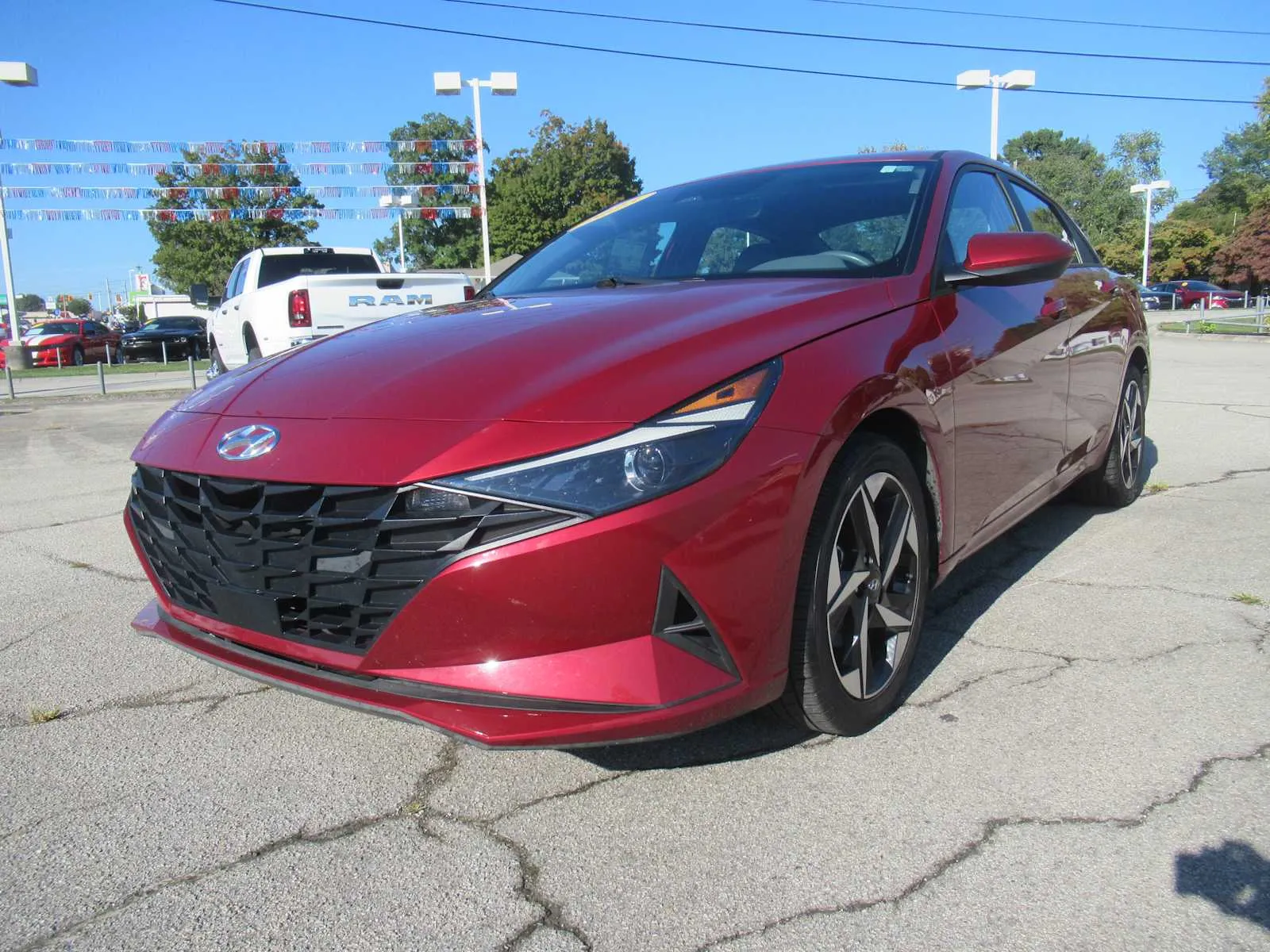
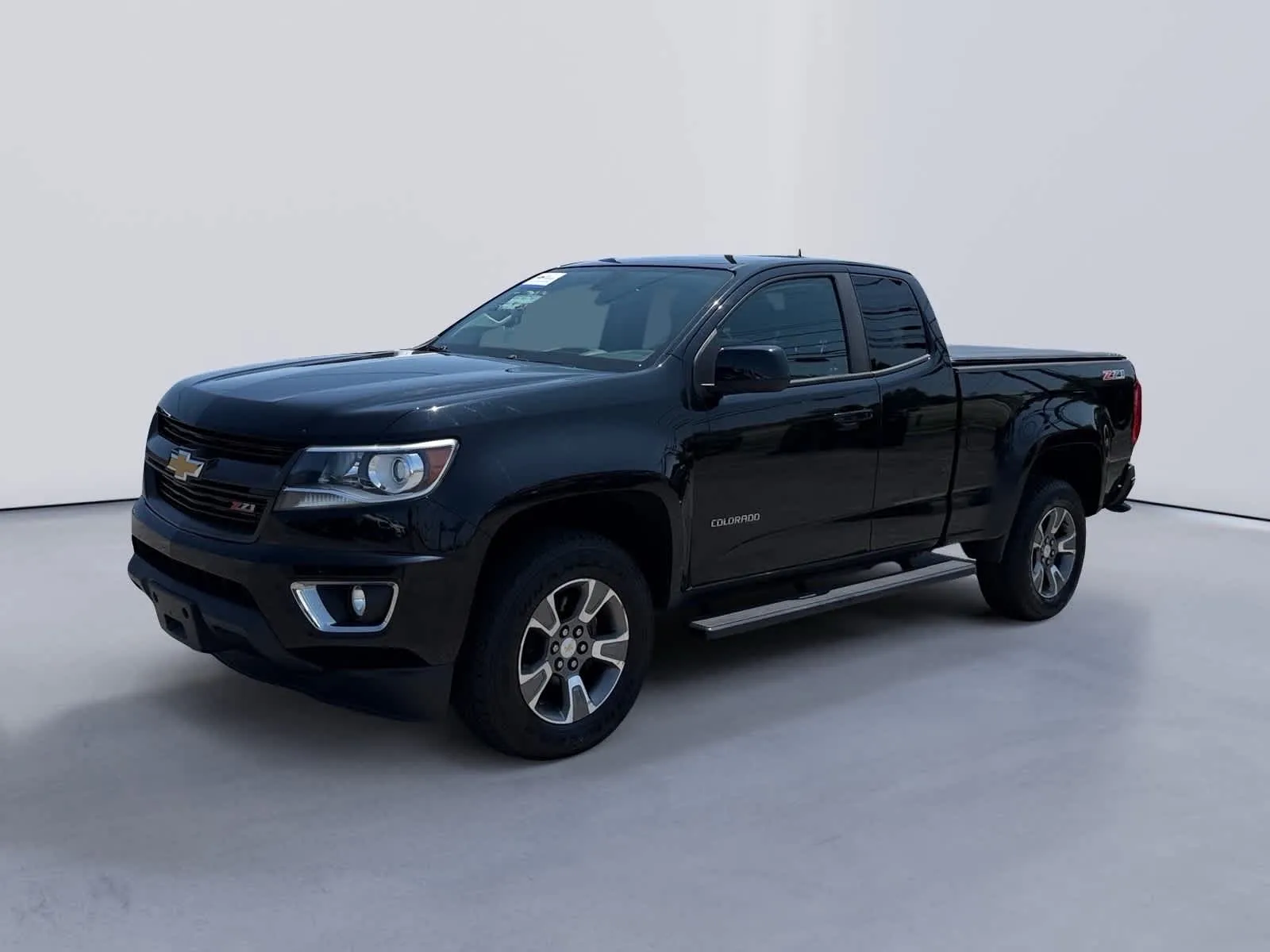
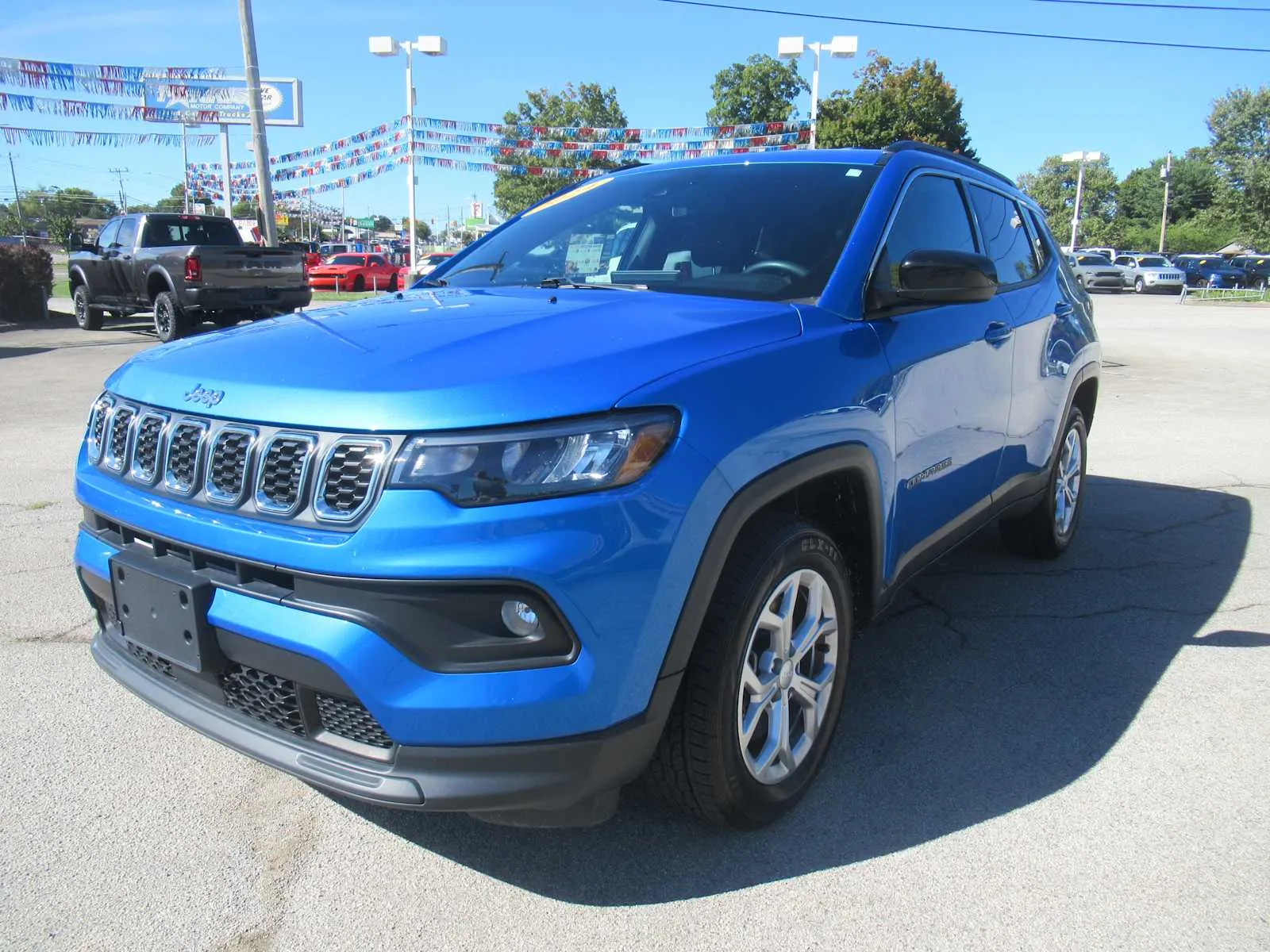
Every used vehicle carries a history that is not always visible at first glance. Whether you are shopping for reliable used cars, rugged used trucks, versatile used SUVs, or family-friendly used vans, prior accidents, deferred maintenance, or mechanical wear can be concealed beneath a clean exterior and a well-detailed interior. A thorough inspection protects the buyer from unexpected repair costs and ensures the vehicle's price reflects its true condition. Dealerships that prioritize transparency, such as Farris Motors, will readily support a buyer's request for documentation and inspection, since a well-informed customer is more likely to make a confident, lasting purchase.
Skipping this step, even on a vehicle that appears well cared for, is one of the most common and costly mistakes a buyer can make. Time invested upfront in verifying a vehicle's condition and history is consistently repaid through fewer surprises after the sale.
Used Car Inspection Checklist at a Glance
| Area to Check | What to Look For | Why It Matters |
|---|---|---|
| Vehicle History | Accidents, title status, odometer accuracy, ownership count | Reveals hidden past damage or fraud risk |
| Exterior & Body | Panel alignment, rust, tire wear, glass, frame integrity | Signals prior collision repair or structural issues |
| Interior | Electronics, upholstery, seatbelts, odometer match, warning lights | Reflects overall maintenance and usage |
| Engine & Mechanical | Fluid levels, belts and hoses, battery, leaks, exhaust | Determines long-term reliability and repair costs |
| Test Drive | Engine performance, transmission, braking, steering, noise | Confirms real-world drivability |
| Title & Ownership | Clean title, matching VIN, lien status, state requirements | Ensures a legally sound transaction |
| Mileage & Age | Annual mileage vs. age, service record gaps | Indicates remaining useful life |
| Financing & Warranty | Interest rates, total cost of ownership, warranty, return policy | Protects the buyer's financial interests after the sale |
Check the Vehicle History Report
Before evaluating any physical aspect of the car, obtain a vehicle history report using the Vehicle Identification Number (VIN). Services such as Carfax or AutoCheck compile records from insurance companies, repair shops, and state agencies to reveal:
- Prior accidents or reported damage
- Title status, including salvage, rebuilt, or flood designations
- Odometer readings over time, to confirm mileage has not been altered
- Number of previous owners
- Service and maintenance history, when available
A reputable dealership will provide this report as a matter of course. If a seller is reluctant to share vehicle history information, this should be treated as a warning sign and a reason to proceed with additional caution.
Inspect the Exterior and Body
A careful walk-around of the vehicle can reveal a great deal about its condition and history. Buyers should look for:
- Panel alignment and paint consistency: Uneven gaps between body panels or slight variations in paint color can indicate prior collision repair.
- Rust and corrosion: Check the wheel wells, undercarriage, and door edges, particularly in vehicles that have spent time in regions with road salt or high humidity.
- Tire condition and wear patterns: Uneven wear can point to alignment issues, suspension problems, or worn components that will require attention.
- Glass and lights: Confirm that the windshield is free of significant cracks and that all lights function correctly.
- Frame integrity: Look underneath the vehicle for signs of bending, welding, or repair work that could indicate previous structural damage.
Viewing the vehicle in daylight, rather than under artificial lighting, provides a more accurate picture of its true condition.
Examine the Interior
The interior of a used vehicle offers useful clues about how it was maintained and how heavily it was used. During inspection, buyers should:
- Test all electronics, including the infotainment system, air conditioning, heating, power windows, and locks.
- Check upholstery and carpeting for excessive wear, tears, or odors that may indicate water damage or smoke exposure.
- Confirm that the seatbelts function properly and retract smoothly.
- Verify the odometer reading matches the figure listed on the vehicle history report and any provided documentation.
- Inspect the dashboard for warning lights that remain illuminated after the engine starts, which can point to unresolved mechanical issues.
A well-maintained interior often reflects a similarly well-maintained mechanical system, though this should always be confirmed independently.
Evaluate the Engine and Mechanical Components
The mechanical condition of a used vehicle is the single most important factor in determining its long-term value and reliability. Buyers should assess:
- Fluid levels and condition: Check the oil, transmission fluid, coolant, and brake fluid for proper levels and signs of contamination.
- Belts and hoses: Look for cracking, fraying, or leaks that suggest age-related wear.
- Battery condition: Corrosion around the terminals or a battery nearing the end of its expected lifespan may require near-term replacement.
- Signs of leaks: Inspect the ground beneath the vehicle, as well as the engine bay, for fluid stains that may indicate a developing issue.
- Exhaust system: Excessive smoke from the tailpipe, unusual color, or a strong odor can point to engine or emissions problems.
For buyers without mechanical expertise, this is an area where a professional pre-purchase inspection, discussed further below, provides significant value.
Test Drive Considerations
A test drive is one of the most informative steps in the buying process and should never be skipped, regardless of how favorable the vehicle appears on paper. During the drive, pay attention to:
- Engine performance: The engine should start smoothly, idle consistently, and accelerate without hesitation or unusual noise.
- Transmission behavior: Shifts, whether automatic or manual, should be smooth and free of grinding, slipping, or delayed engagement.
- Braking response: Brakes should engage evenly without pulling to one side, grinding, or excessive pedal travel.
- Steering and handling: The vehicle should track straight on a level road without pulling or vibration, and the steering should respond predictably.
- Noise levels: Listen for rattles, squeaks, or unusual sounds from the suspension, exhaust, or interior trim.
Testing the vehicle under a range of conditions, including highway speeds and low-speed maneuvering, offers a more complete assessment than a short drive around the block.
Verify Title and Ownership Documents
Confirming clear and accurate ownership documentation is essential to a legally sound purchase. Buyers should verify:
- The title is clean, free of liens, and matches the seller's name.
- The VIN on the title matches the VIN on the vehicle itself, typically found on the dashboard and door jamb.
- Any outstanding loan balance has been or will be satisfied prior to transfer of ownership.
- State-specific requirements for title transfer, registration, and emissions testing are understood and can be completed properly.
Purchasing through an established, licensed dealership generally simplifies this process, as the dealership handles title transfer and ensures the transaction complies with applicable state and federal regulations.
Consider Mileage and Age
Mileage and age both factor into a vehicle's remaining useful life, though neither should be evaluated in isolation. A vehicle with higher mileage but a documented history of regular maintenance may be a more reliable choice than a lower-mileage vehicle with gaps in its service records. As a general guideline, average annual mileage for most drivers falls between 12,000 and 15,000 miles; a vehicle significantly above this figure for its age warrants closer inspection of major wear components, including the timing belt, transmission, and suspension.
Buyers should also weigh how the vehicle's age affects the availability of replacement parts, ongoing manufacturer support, and eligibility for any remaining factory warranty coverage.
Get a Pre-Purchase Inspection
Even after a careful personal review, having a qualified technician perform an independent pre-purchase inspection is one of the most valuable steps a buyer can take. A trained inspector can identify issues that are not apparent during a standard walk-around or test drive, including hidden frame damage, early-stage mechanical wear, or the aftermath of a poorly executed repair. Reputable dealerships understand the value of this step and will accommodate a buyer's request to have a vehicle inspected prior to finalizing a purchase.
Understand Financing and Warranty Options
Beyond the physical condition of the vehicle, buyers should carefully review the financial terms of the purchase. Utilizing an online car loan calculator before finalizing your purchase can give you a clearer estimate of expected monthly payments and interest costs. Key considerations include:
- Interest rates and loan terms: Compare offers from the dealership's financing partners against outside lenders to confirm a competitive rate.
- Total cost of ownership: Factor in insurance, fuel, maintenance, and expected repair costs alongside the purchase price.
- Warranty coverage: Determine whether any manufacturer warranty remains and whether a certified pre-owned program or extended service contract is available.
- Return or exchange policies: Understand the dealership's policy should an unexpected issue arise shortly after purchase.
A transparent dealership will walk buyers through each of these terms clearly, in writing, so there are no surprises after the sale is complete.
Questions to Ask the Seller
Coming prepared with the right questions helps ensure nothing is overlooked. Buyers should ask:
- Can you provide the full vehicle history and maintenance records?
- Has the vehicle ever been in an accident or sustained damage?
- Why is the vehicle being sold?
- Is the vehicle still under any manufacturer or dealer warranty?
- Has the vehicle passed a recent safety or emissions inspection?
- Are there any known mechanical issues that have not been repaired?
A seller who answers these questions directly and provides supporting documentation is generally demonstrating the transparency that a buyer should expect from any transaction.
Final Thoughts
Buying a used car rewards patience and careful evaluation. Reviewing the vehicle history, inspecting the exterior, interior, and mechanical components, taking a thorough test drive, confirming clear title documentation, and understanding the full financial terms all give a buyer a clear, accurate picture before signing anything. An established, reputable dealership backs that process further, since it has a direct interest in standing behind the vehicles it sells and the terms it sells them under. Approaching the purchase methodically, and asking the right questions along the way, is what leads to a used vehicle that holds up over time.
Frequently Asked Questions
What is the most important thing to check before buying a used car?
A vehicle history report is the essential starting point, since it reveals prior accidents, title status, odometer discrepancies, and past ownership. From there, a hands-on inspection of the exterior, interior, and mechanical components, followed by a test drive, rounds out a complete picture of the vehicle's true condition.
Should I get an independent inspection even if the dealership has already inspected the vehicle?
Yes. A qualified technician can identify issues that aren't apparent during a standard walk-around or test drive, such as hidden frame damage or early-stage mechanical wear. A reputable dealership, including Farris Motors, will accommodate a request for a pre-purchase inspection before the sale is finalized.
How much does mileage really matter when buying a used car?
Mileage matters, but it should be weighed alongside maintenance history rather than judged on its own. A higher-mileage vehicle with documented regular service can be a more reliable choice than a lower-mileage vehicle with gaps in its records. As a general guideline, 12,000 to 15,000 miles per year is typical.
What documents should I verify before completing the purchase?
Confirm that the title is clean, free of liens, and matches the seller's name; that the VIN on the title matches the VIN on the vehicle; that any outstanding loan balance is resolved; and that state-specific requirements for registration and emissions testing are understood.
What questions should I ask the seller before buying a used vehicle?
Ask for the full vehicle history and maintenance records, whether the vehicle has been in an accident, why it's being sold, whether any warranty coverage remains, whether it has passed a recent safety or emissions inspection, and whether any known mechanical issues remain unrepaired.