
Car batteries typically last three to five years, depending on climate, driving habits, and maintenance history. East Tennessee drivers should watch for slow engine cranking, dimming headlights, a swollen battery case, or a dashboard warning light. Extreme temperatures and infrequent driving speed up the decline, so scheduling a battery test before symptoms worsen helps prevent an unexpected breakdown on the road.
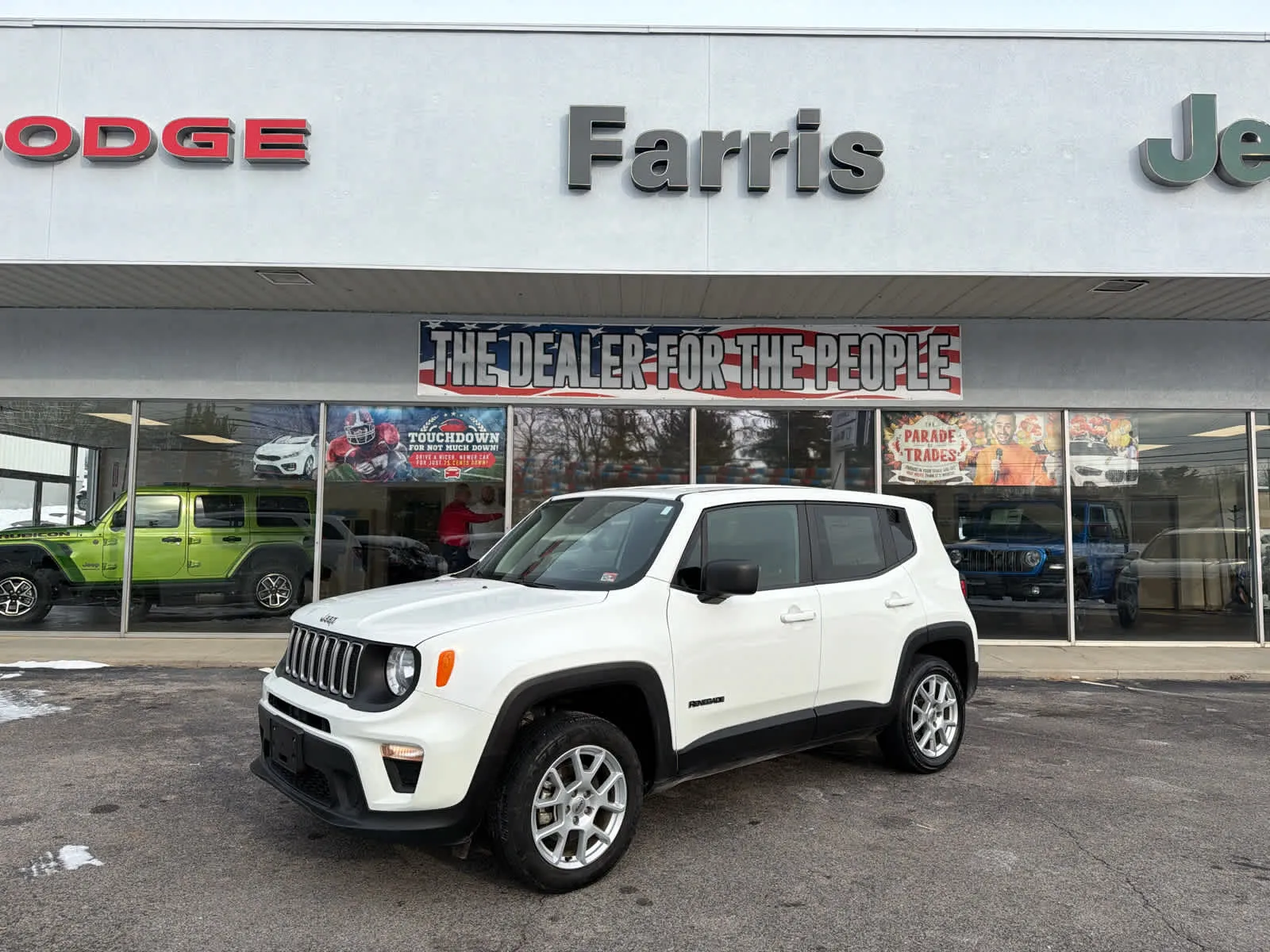
At Farris Motor Company, local drivers enjoy access to two premier dealership and service locations conveniently situated along West Morris Boulevard in Morristown, Tennessee: Farris Jeep at 910 West Morris Boulevard and Farris Ford at 1112 West Morris Boulevard. Both locations offer state-of-the-art service bays, certified technicians, and comprehensive electrical testing to keep your vehicle starting reliably every single day.
Executive Takeaways
- Standard Lifespan: Car batteries typically last 3 to 5 years before requiring replacement under typical driving conditions.
- Proactive Interval: Automotive experts recommend replacing a battery every 4 to 5 years regardless of symptoms to avoid sudden roadside failures.
- Leading Cause of Stalls: Dead batteries remain among the most common causes of roadside breakdowns across East Tennessee.
- Environmental Impact: Battery chemistry, driving habits, and East Tennessee’s dramatic seasonal weather swings directly impact total battery longevity.
- Dual Location Convenience: Morristown drivers can obtain fast battery testing and replacement services at Farris Jeep (423-587-2000) or Farris Ford (423-586-5520) on West Morris Boulevard.
- Comprehensive Maintenance: Integrating regular battery checks into routine oil changes and tire rotations helps protect surrounding electrical components like the alternator and starter motor.
Why Does a Dead Battery Catch Drivers Off Guard?
Battery failure is one of the most common causes of unexpected roadside breakdowns, and that reputation explains why so many drivers feel blindsided when the engine refuses to turn over. Most owners give little thought to battery condition until a problem actually occurs. By then, the vehicle sits silent in a driveway, at a gas pump, or in a parking lot along West Morris Boulevard, and the inconvenience has already happened.
Strong starting power, reliable cold-cranking performance, and fast recharge rates under normal driving conditions.
Chemical degradation begins internally; routine conductance tests and terminal inspections are recommended.
High failure risk; immediate diagnostic load test required to prevent sudden no-start situations.
Part of the surprise comes from how batteries fail. Internal chemical decline happens gradually under the hood, with no persistent dashboard light demanding attention until the moment of truth. Knowing how long car batteries last helps owners anticipate replacement before that moment arrives, rather than reacting after a dead start leaves them stranded.
Does Local Driving Wear Down a Battery Faster?
Yes, local driving patterns significantly accelerate battery wear. Repeated short trips and frequent stops place extra demand on the starting system. Daily commutes through stop-and-go Morristown traffic along routes like West Morris Boulevard or Highway 25E force the battery to deliver repeated high-amp bursts of starting power without giving the alternator long stretches of continuous highway driving to fully replenish the charge.
Furthermore, driving routes near the Great Smoky Mountains or steep ridge climbs around Hamblen County add further operational strain, requiring more electrical current for onboard stability systems and accessories than flat, steady cruising would demand.
Where Can Drivers Get a Battery Checked Before It Fails?
A simple load test catches a weakening battery long before it leaves a driver stranded. Reliable service options worth considering include:
- Routine Maintenance Checks: Requesting a comprehensive battery voltage and conductance test during every scheduled oil change or tire rotation.
- Symptom-Based Testing: Scheduling an immediate check at the first sign of a slow engine crank, flickering cabin lights, or sluggish electronic accessories.
- Terminal Cleaning: Asking a technician to clean corrosion build-up, replace worn cable clamps, and ensure tight mechanical connections.
- Full System Diagnostics: Having the alternator, voltage regulator, and starter motor tested simultaneously with the battery.
Farris Motor Company operates two dedicated service facilities along West Morris Boulevard in Morristown, Tennessee—Farris Jeep (910 W Morris Blvd) and Farris Ford (1112 W Morris Blvd)—giving East Tennessee drivers nearby options for testing and replacement before a dead battery turns into a missed workday or stranded commute.
How Long Do Car Batteries Last, Exactly?
Three to five years is the typical operational window for automotive lead-acid batteries based on standard usage patterns and climate conditions. Replacement timing shifts earlier or later depending on driving habits, electrical demands, and seasonal exposure. Drivers in Morristown, Hamblen County, and surrounding East Tennessee communities often see batteries wear toward the shorter end of that window, since summer heat and winter cold both stress the internal battery cells within a single year.
Automotive experts generally recommend proactive replacement every four to five years, regardless of whether obvious failure symptoms have appeared. Waiting for a dead battery to strand a vehicle along Highway 25E or Interstate 81 costs valuable time, towing fees, and missed appointments. Replacing a battery proactively removes that risk before it turns into an emergency.
Battery Lifespan & Technology Comparison Matrix
A vehicle battery exists to perform two critical roles: turning over the engine starter motor and powering onboard electrical systems when the engine is off or idling. As output drops below a reliable capacity threshold, both functions degrade. The table below illustrates how battery expectations vary across different vehicle types:
| Vehicle Type | Battery Type | Typical Lifespan | Primary Maintenance & Replacement Considerations |
|---|---|---|---|
| Gasoline-Powered Vehicles | 12-Volt Lead-Acid / AGM Battery | 3 to 5 years | Standard replacement interval; test annually after year three or 36,000 miles. |
| Hybrid Vehicles (PHEV / HEV) | 12-Volt Auxiliary Battery | 3 to 5 years | Operates vehicle accessories and powers boot-up relays; separate from high-voltage drive pack. |
| Electric Vehicles (EV) | 12-Volt Accessory Battery | 3 to 5 years | Powers doors, lights, and infotainment; still requires routine testing despite having no engine to crank. |
| Extreme Climate Vehicles | Heavy-Duty AGM Lead-Acid | 2 to 4 years | Severe heat and freezing snaps accelerate grid corrosion; load test twice per year. |
Does Regular Maintenance Make a Battery Last Longer?
Routine maintenance cannot rewrite a battery's internal chemistry, but it protects the surrounding electrical components that the battery depends on. Consistent component care across the whole vehicle allows a well-maintained car to reach well past 200,000 miles without major electrical or powertrain overhauls. Regular battery inspections fit naturally into that maintenance rhythm, catching weak cells before they leave you stuck in a parking lot.
For families weighing a vehicle trade-in or planning to finance a new upgrade, battery age serves as a helpful indicator of overall mechanical care. A battery nearing the four-year mark often signals that other routine wear items—such as serpentine belts, cabin filters, or brake fluid—may be due for inspection as well.
What Drains a Battery Faster in Tennessee?
Four primary environmental and driving conditions speed up battery wear across East Tennessee:
- Extreme Temperature Swings: Scorching summer afternoons evaporate internal battery fluids, while freezing winter mornings thicken engine oil, demanding vastly more cranking power.
- Infrequent or Short-Distance Trips: Commutes under 15 minutes prevent the alternator from returning the energy consumed during engine start-up.
- Corrosion and Deferred Maintenance: Oxidized terminals increase electrical resistance, causing the battery to work harder to deliver power.
- Parasitic Electrical Drain: Phone chargers left plugged in, aftermarket electronics, or dome lights left illuminated overnight quietly drain charge capacity.
Does Cold or Hot Weather Hurt a Car Battery More in Tennessee?
Both environmental extremes take a severe toll on battery health, though through entirely different mechanical processes:
- Summer Heat (Silent Killer): Excessive under-hood heat accelerates internal chemical reactions, speeding up grid corrosion and evaporating internal liquid electrolyte solutions. Heat damages the battery internally during summer, though the failure often isn't noticed until months later.
- Winter Cold (Final Straw): Cold weather thickens engine oil, creating significant mechanical resistance when starting. At the same time, freezing temperatures reduce a battery’s available cold-cranking amps (CCA) by up to 50%, causing an already heat-weakened battery to fail completely on the first cold morning.
What Warning Signs Mean Your Battery Is Dying?
Recognizing early warning signs gives drivers time to visit a local service center before complete battery failure occurs:
- Clicking Sound on Ignition: Rapid metallic clicking when turning the key or pushing the start button signals insufficient voltage to engage the starter solenoid.
- Slow, Labored Engine Crank: The engine turns over much slower than usual ("rrmm... rrmm... rrmm"), taking several extra seconds to fire up.
- Dimming Headlights & Interior Lights: Headlights appear dim or flicker at idle, but brighten slightly when stepping on the gas pedal.
- Illuminated Battery Dashboard Light: A red battery icon on the instrument cluster indicates a fault in the charging system or voltage output.
- Sluggish Power Accessories: Electric windows roll up slowly, power seats move sluggishly, or touchscreen displays take longer to boot up.
- Swollen or Bloated Battery Case: Extreme heat exposure causes the outer plastic battery casing to swell, warp, or crack, indicating severe internal cell damage.
Farris Motor Company Comprehensive Service Checklist
To ensure complete electrical reliability, our factory-trained service technicians at Farris Jeep and Farris Ford execute a thorough inspection protocol during every service visit:
- Visual Case & Cable Check: Inspecting outer plastic housings for cracks, leaks, bulging, and securely mounted hold-down brackets.
- Terminal De-Corrosion Treatment: Cleaning white or greenish oxidation off lead posts and applying anti-corrosive terminal protector spray.
- Digital Conductance & Voltage Test: Measuring static voltage (should read ~12.6V fully charged) and testing under simulated starter load.
- Cold Cranking Amps (CCA) Verification: Comparing actual CCA output against the battery’s factory-rated label.
- Alternator Output & Belt Stress Test: Confirming the alternator delivers a steady 13.8 to 14.5 volts while the engine runs under accessory load.
How Can You Test a Weak Battery?
A professional diagnostic test reveals true battery health far more accurately than dashboard guesswork. Voltage readings, digital conductance testing, and cold-cranking amp (CCA) evaluations together show whether a battery still maintains adequate capacity or has drifted toward failure.
| Voltage Reading | Charge Percentage | Battery Condition |
|---|---|---|
| 12.6V – 12.8V | 100% | Fully Charged |
| 12.2V – 12.4V | 50% – 75% | Low Charge / Recharge Needed |
| Under 12.0V | 0% | Discharged / Failing Battery |
Understanding how a car battery works changes how drivers approach vehicle care. An automotive battery stores and releases energy through a reversible chemical reaction between lead plates and sulfuric acid solution. Once internal lead plates sulphate or degrade from heat and age, total energy storage capacity drops permanently. Catching this chemical decline early through routine load testing at a local dealership is the best defense against unexpected breakdowns.
Financial Risks of Ignoring a Dying Battery
Delaying battery replacement rarely saves money. A battery that fails unexpectedly on West Morris Boulevard, Highway 25E, or along a mountain pass introduces immediate financial and safety consequences:
- Emergency Towing Fees: Unplanned roadside breakdowns often incur expensive flatbed towing charges.
- Unplanned Work Disruption: Missing work shifts or critical appointments leads to lost productivity and income.
- Secondary Electrical Strain: Forcing an engine to start on a dying battery strains the starter motor and forces the alternator to run at maximum output constantly, risking premature failure of those high-cost components.
- Jump-Start Risks: Incorrectly applying jumper cables during an emergency can trigger severe voltage surges, frying delicate onboard electronic control units (ECUs).
Surrounding Communities We Serve
Farris Motor Company is proud to support drivers across Morristown and neighboring East Tennessee communities with certified auto service, routine maintenance, and battery replacement:
- Bean Station, TN (7 Miles North): Commuters traveling daily down Highway 25E into Morristown rely on fast battery diagnostic checks to keep their morning drives trouble-free.
- Russellville, TN (5 Miles East): Residents living near US-11E can easily visit our West Morris Boulevard service bays for rapid battery voltage tests during routine oil changes.
- Talbott, TN (6 Miles West): Families in Talbott enjoy convenient access to both Farris Jeep and Farris Ford for factory-certified battery installations, warranty work, and electrical system diagnostics.
- Cherokee Lake Area: Boaters and outdoor enthusiasts heading to local marinas can stop by our service centers to ensure their truck or SUV electrical system is ready for heavy trailering and boat launching.
Transit Driving Directions to Farris Motor Company Locations in Morristown
Reaching our service centers on West Morris Boulevard is quick and convenient from any direction in Hamblen County:
Driving Directions from Highway 25E (Bean Station / Cherokee Lake)
- Travel south on US-25E South toward Morristown.
- Take the exit for W Morris Boulevard / Highway 11E.
- Head west on W Morris Boulevard.
- Farris Jeep service center is located on the left at 910 W Morris Blvd, Morristown, TN 37813.
- Continue two blocks further west to reach Farris Ford service center on the left at 1112 West Morris Boulevard, Morristown, TN 37813.
Driving Directions from Interstate 81 (Exit 8 or Exit 12)
- From I-81, take Exit 8 or Exit 12 onto US-25E North toward Morristown.
- Proceed north on US-25E into Morristown.
- Take the W Morris Blvd exit and turn left (west) onto W Morris Boulevard.
- Arrive at Farris Jeep (910 W Morris Blvd) or Farris Ford (1112 West Morris Blvd) on your left.
Expert Dealership Leadership
Jason Farris, representing four generations of automotive service in East Tennessee, oversees operations across Farris Motor Company. The Farris family established strict service protocols centered on transparent pricing, certified technician training, and thorough vehicle inspections. This leadership ensures that every vehicle entering our service bays receives expert diagnostic evaluation and genuine OEM battery replacements designed for long-term reliability.
Dealership Locations & Contact Information
Farris Jeep - Morristown
910 W Morris Blvd
Morristown, TN 37813
Phone: (423) 587-2000
Farris Ford - Morristown
1112 West Morris Boulevard
Morristown, TN 37813
Phone: (423) 586-5520
Farris Motor Company - Jefferson City
246 E. Broadway Blvd.
Jefferson City, TN 37760
Phone: (865) 475-2071