
When shopping for a pre-owned crossover or SUV on a tight budget, looking solely at the initial price tag tells only half the story. While locating Best Used SUVs Under $15,000 is achievable in today's market, vehicles in this price bracket often represent significant trade-offs in long-term financial predictability. Older, entry-level pre-owned SUVs frequently arrive with high mileage readings, outdated safety technology, expiring mechanical components, and imminent repair bills that can quickly erase any upfront savings.
At Farris Motor Company, we believe in guiding drivers across Jefferson City, Morristown, Dandridge, White Pine, and greater Knoxville toward informed purchasing decisions based on the total cost of ownership. Evaluating a vehicle requires looking past sticker prices to consider fuel economy, auto insurance premiums, financing interest rates, routine maintenance overhead, and factory warranty coverage. This comprehensive guide details what $15,000 buys in the pre-owned SUV marketplace, compares popular entry-level models, and demonstrates why stepping up to a newer pre-owned or brand-new vehicle often yields superior long-term savings.
Key Takeaways
- Realistic Expectations: Shopping for used SUVs under $15,000 typically means evaluating vehicles that are 8 to 12 years old with odometer readings exceeding 100,000 to 130,000 miles.
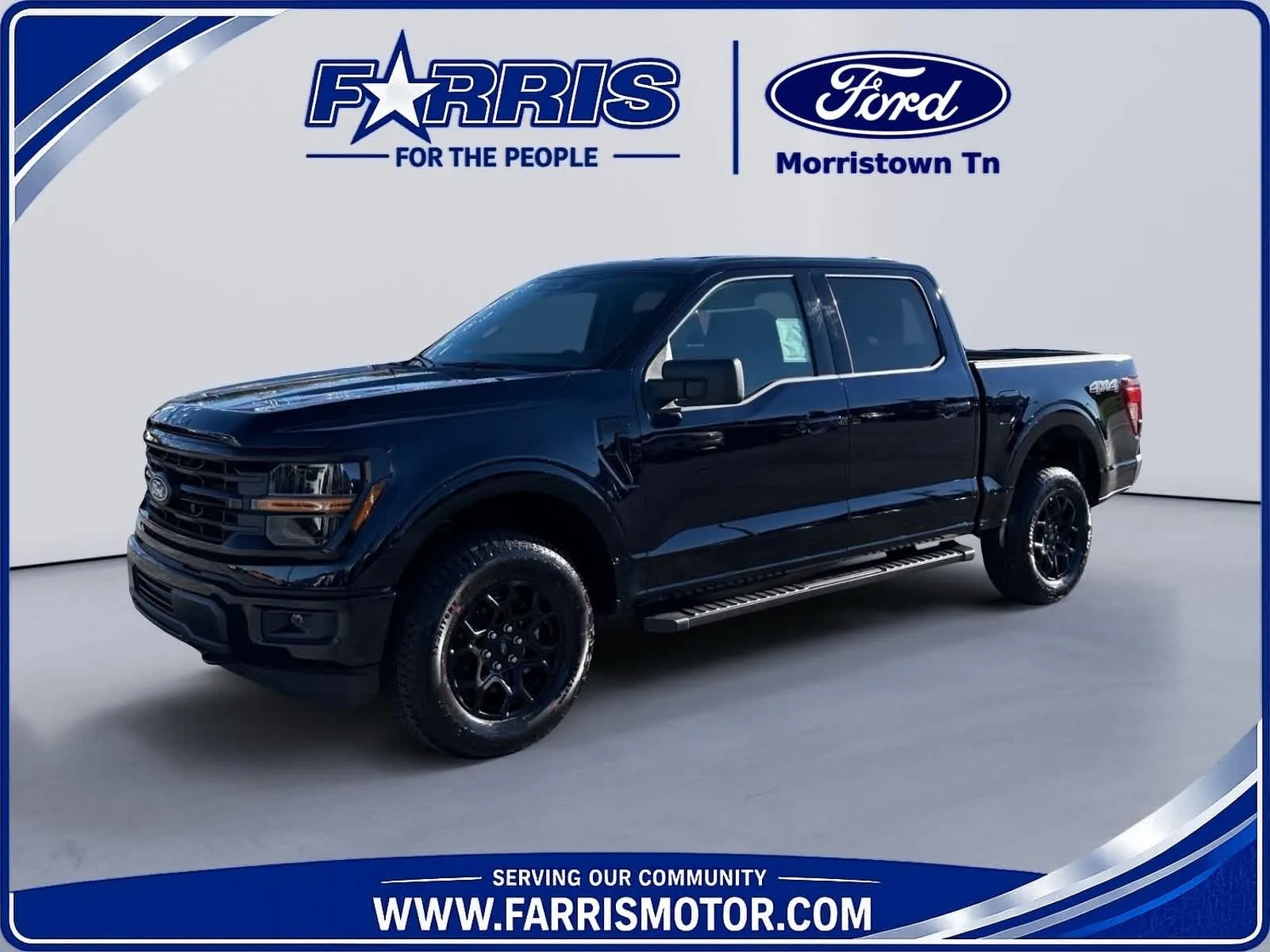
- Budget Model Trade-Offs: Popular budget options—such as the Jeep Compass Sport, Ford Explorer XLT, Ford Edge Titanium, Honda CR-V LX, Subaru XV Crosstrek Limited, and Nissan Rogue S—offer baseline utility, but carry out-of-warranty risks and upcoming major maintenance schedules.
- Total Cost of Ownership: When you factor in higher auto loan interest rates on older vehicles, lower fuel efficiency, and out-of-pocket repair bills, investing in a newer pre-owned or brand-new inventory model often yields a lower total cost per mile.
- Smart Financial Tools: Leveraging your current vehicle's trade-in value alongside flexible dealership financing programs brings late-model vehicles into an affordable monthly payment window without forcing you to compromise on safety or mechanical peace of mind.
The Market Reality of Buying an SUV Under $15,000
Understanding the dynamics of today's automotive market is essential when setting budget expectations. A crossover or SUV listed under $15,000 in a typical used inventory has already navigated through multiple years of daily driving, varied weather exposure, and fluctuating maintenance care. On average, a vehicle at this price point is between 8 and 12 years old with 100,000 to 140,000 cumulative miles recorded on the odometer. While well-engineered automobiles can continue to operate far past these figures, buyers must remain clear-eyed regarding what this ownership stage entails.
At this juncture in an automobile's life cycle, mechanical components reach their engineered wear limits. Factory warranties covering internal engine parts, transmission casings, differential gears, and electrical systems have long expired, transferring all financial risk directly to the buyer. Furthermore, vehicles designed over a decade ago lack modern active safety suites—such as automatic emergency braking, blind-spot monitoring, lane-keeping assistance, and modern backup camera displays—that are standard on late-model vehicles. Lending institutions also treat older, high-mileage vehicles as elevated financial risks, which translates to noticeably higher annual percentage rates (APR) on auto loans compared to late-model pre-owned or brand-new vehicles.
Comparing Popular Entry-Level Pre-Owned SUV Models
If you choose to pursue an entry-level pre-owned SUV under $15,000, understanding the specific characteristics, common failure points, and market realities of popular models helps you navigate your search effectively.
Honda CR-V and Nissan Rogue
Proven options like the 2015 Honda CR-V LX and 2016 Nissan Rogue S represent great benchmarks for compact crossover durability, known globally for reliable four-cylinder engines, straightforward preventative care requirements, and user-friendly cabins. However, because these popular crossovers retain their value aggressively, finding examples around $15,000 usually requires accepting higher odometer readings. At this mileage, buyers must inspect steering linkages, suspension bushings, catalytic converters, and wheel bearings, as these wearable chassis components often require replacement regardless of engine care.
Ford Explorer and Ford Edge
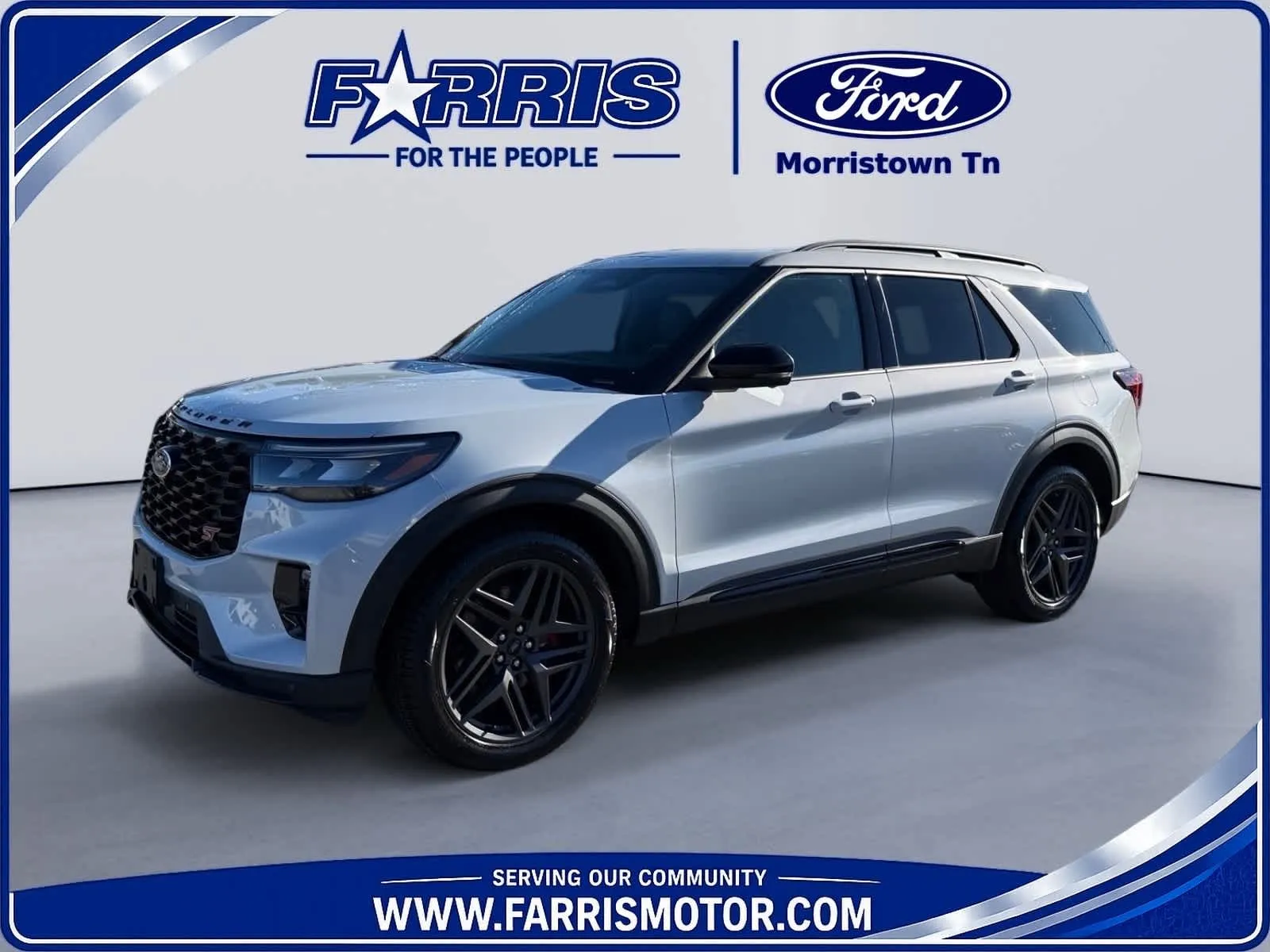
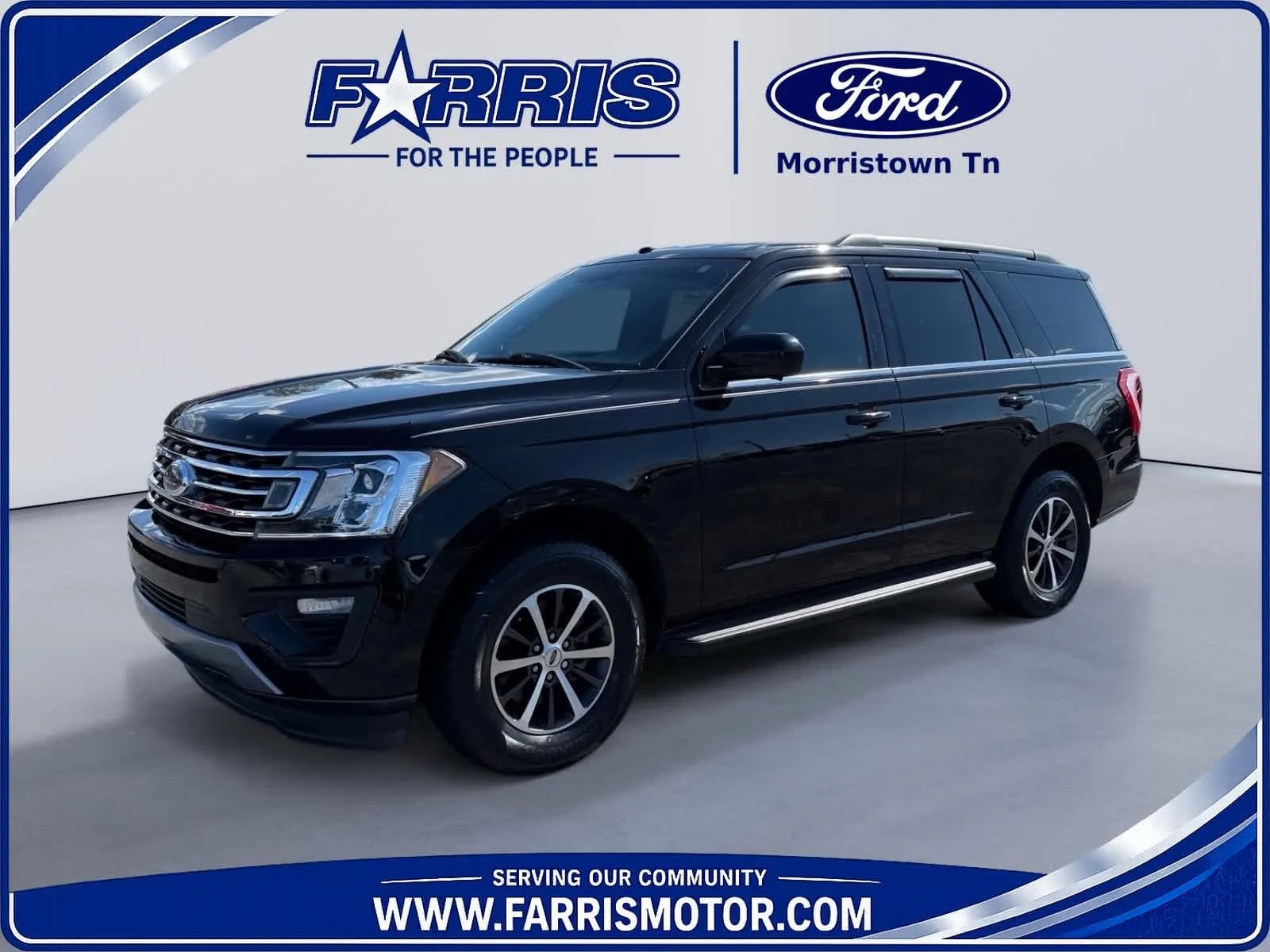
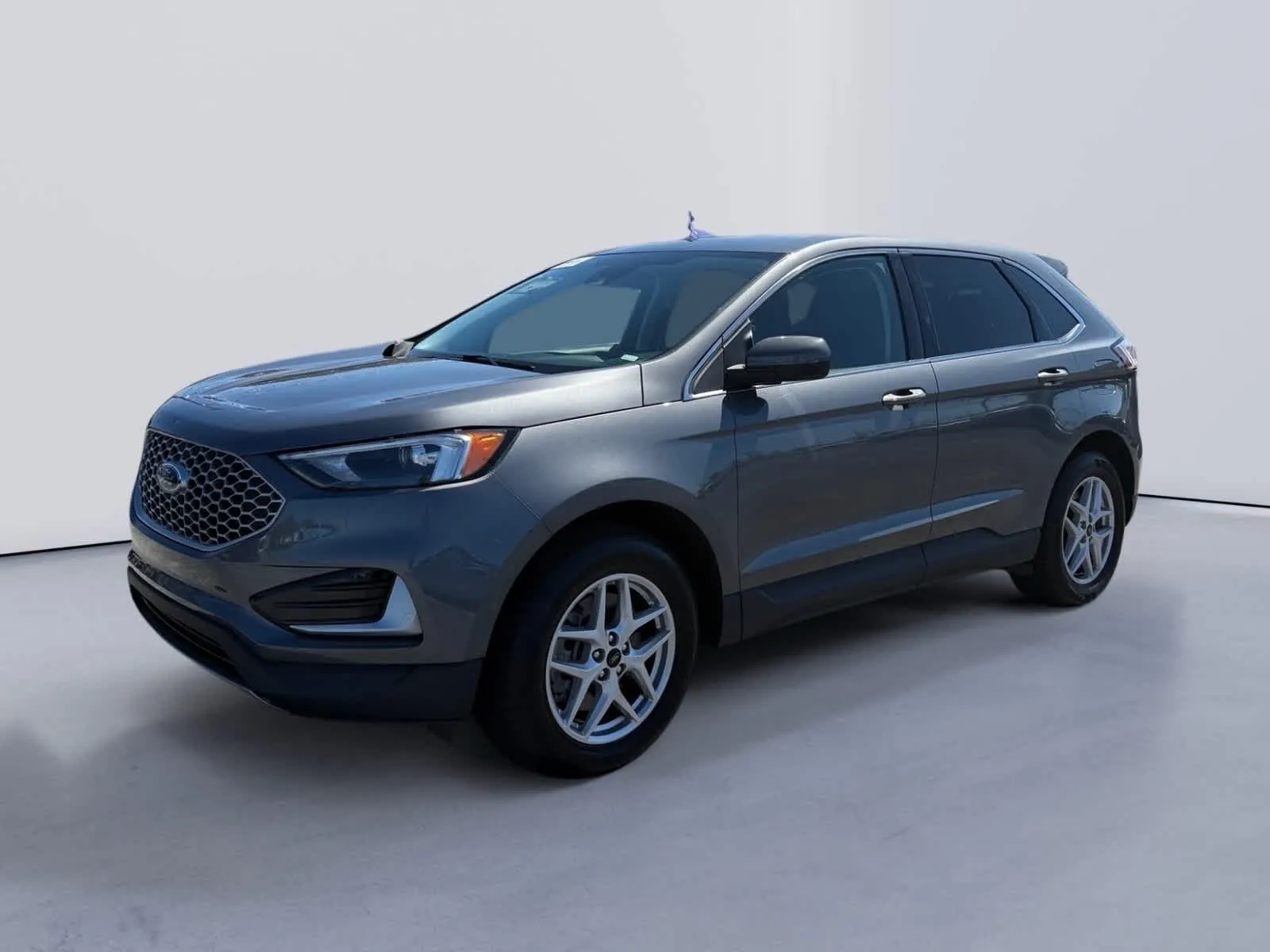
Midsize choices like the 2019 Ford Explorer XLT and 2019 Ford Edge Titanium offer spacious three-row or premium two-row seating, smooth highway ride quality, user-friendly cabin layouts, and widespread domestic parts availability that keeps routine repair costs reasonable. In the pre-owned market, these models offer versatile passenger room and strong towing capacity. However, earlier generations or higher-mileage examples near this price point require careful service record verification to ensure fluid changes and turbo/powertrain maintenance were completed on schedule.
Jeep Compass, Jeep Wrangler, and GMC Terrain
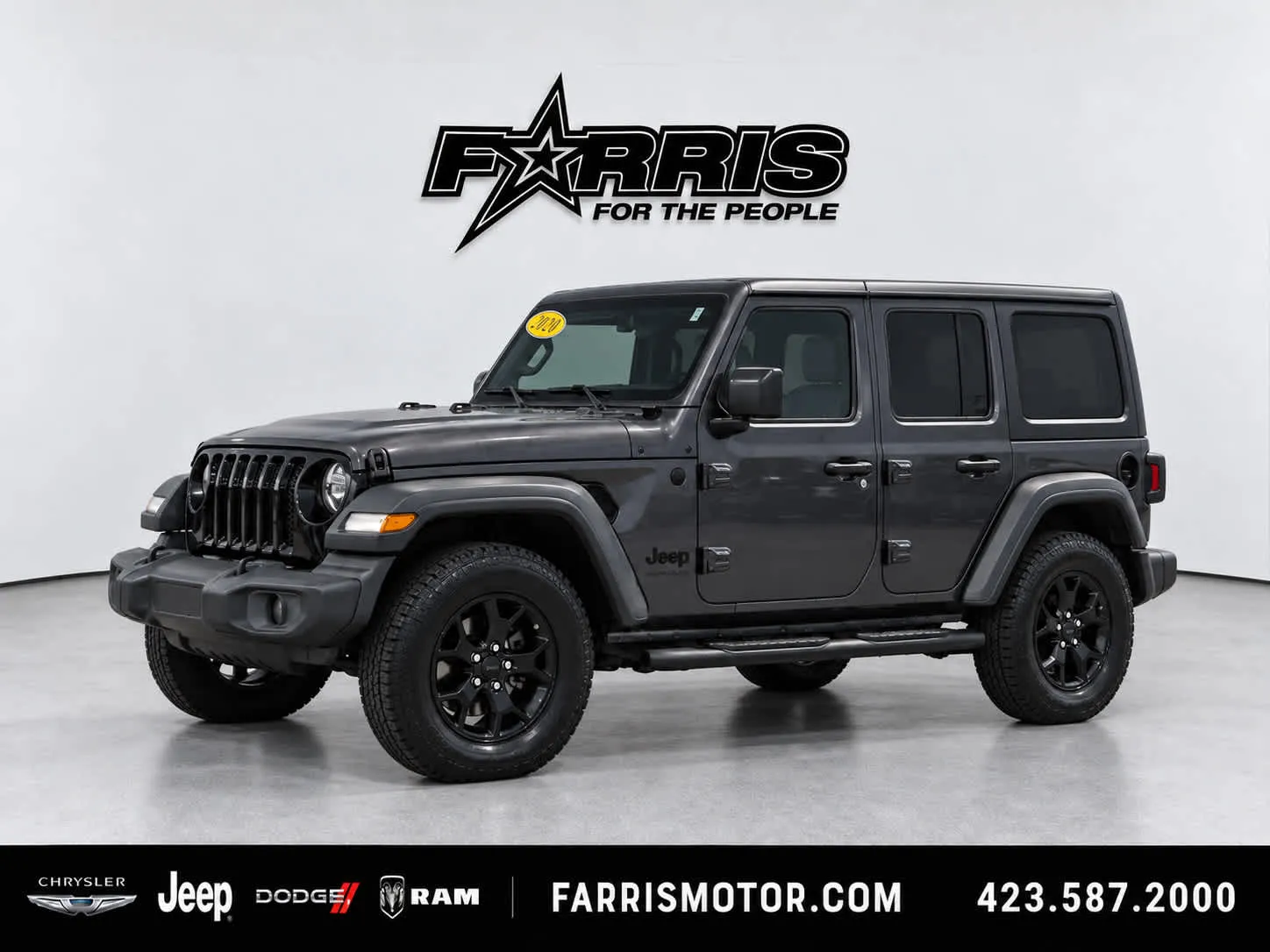
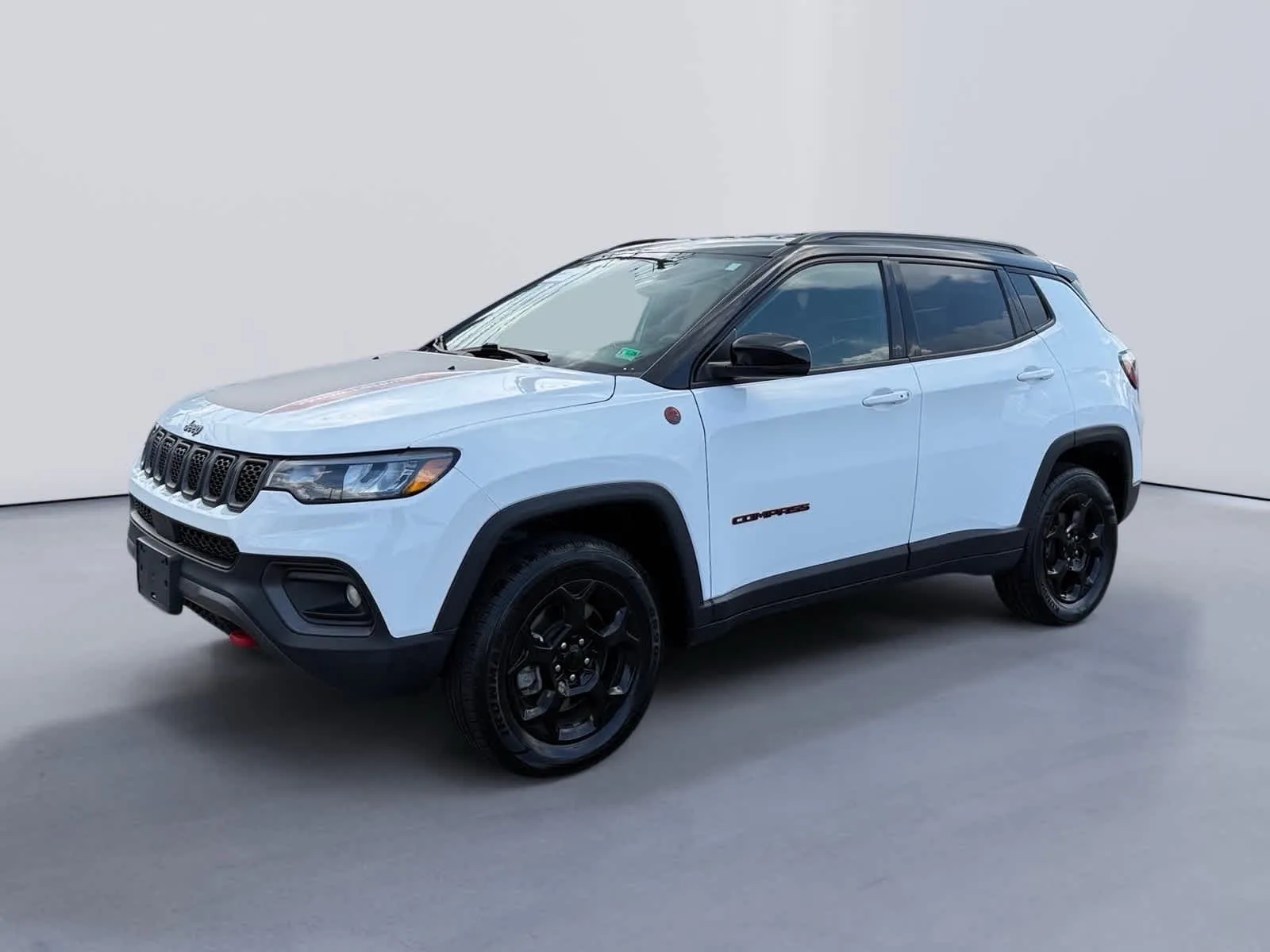
For drivers who require genuine off-road hardware, high ground clearance, or distinct styling for hauling gear or trail driving, options like the 2018 Jeep Compass Sport, 2013 Jeep Wrangler Unlimited Sahara, and upscale 2016 GMC Terrain Denali present strong appeal. The Jeep lineup offers legendary 4x4 systems and rugged utility, while the GMC Terrain Denali provides premium cabin touches. When evaluating these models in the budget price tier, higher odometer readings mean buyers must pay close attention to 4WD/AWD transfer case engagement, suspension integrity, and aging electronic control modules.
Subaru XV Crosstrek, Kia Sorento, and Mitsubishi Outlander Sport
Options such as the 2015 Subaru XV Crosstrek Limited, 2018 Kia Sorento LX, and 2015 Mitsubishi Outlander Sport 2.4 ES deliver exceptional versatility for East Tennessee terrain. The Crosstrek offers standard Symmetrical All-Wheel Drive and impressive ground clearance, while the Sorento provides flexible family seating and the Outlander Sport brings compact efficiency. Buyers evaluating older examples must confirm that routine belt replacements, fluid flushes, and suspension checks have been properly executed and documented.
Why Upgrading to a Newer Pre-Owned or Brand-New SUV Makes Sense
Stepping up from an older budget vehicle to a late-model pre-owned crossover or a brand-new vehicle shifts your financial structure from unpredictable out-of-pocket repairs to stable, fixed monthly commitments.
| Operational Feature | Older Budget SUV ($15k Range) | Late-Model Pre-Owned or Brand-New SUV |
|---|---|---|
| Warranty Protection | Expired (100% Out-of-Pocket Risk) | Full Factory Warranty Coverage Included |
| Loan Interest Rates (APR) | Higher Rates on Older Chassis | Low Promotional & Tier 1 Rates Available |
| Immediate Repairs | Likely (Brakes, Tires, Suspension) | Zero Immediate Maintenance Expenses |
| Fuel Efficiency (MPG) | Older Engine Tech (Lower MPG) | Modern Direct-Injected Powertrains |
| Safety & Technology | Basic Airbags & Traditional Radio | Active Blind-Spot, Lane Keep, Apple CarPlay |
First and foremost, late-model pre-owned and new vehicles come protected by comprehensive manufacturer warranties. Having bumper-to-bumper and powertrain coverage means that if a mechanical or electrical component fails, the repair is handled by certified technicians at no expense to you. This warranty shield provides absolute monthly budget predictability, eliminating the anxiety of sudden mechanical breakdowns.
Second, financial institutions offer significantly lower interest rates on newer inventory. Because a new or late-model vehicle represents a secure asset with minimal breakdown risk, lenders compete aggressively for these loans by offering promotional APRs. In many financial scenarios, the savings generated by a lower interest rate—combined with superior gas mileage and zero repair bills—directly offsets the difference in purchase price.
Finally, upgrading grants you immediate access to modern automotive technology that protects your family. Late-model crossovers come equipped with advanced crumple zones, side-curtain airbag networks, automatic emergency braking, blind-spot monitoring, rear cross-traffic alerts, and adaptive cruise control. These active safety systems work continuously to prevent accidents before they occur, delivering invaluable driving confidence along congested interstate corridors.
Strategic Ways to Bridge the Price Gap Without Overspending
Upgrading to a newer, worry-free crossover or SUV does not require paying $30,000 out of pocket. By utilizing smart buying strategies and leveraging digital dealership tools, buyers can transition into a late-model or brand-new vehicle while keeping monthly payments comfortably within their targets.
The most effective tool for lowering your financed balance is leveraging the equity built into your current vehicle. Even an older car or truck with cosmetic blemishes carries tangible market value that directly offsets the purchase price of your next vehicle. Trading in a vehicle also provides tax advantages in many jurisdictions by reducing the taxable total of your new purchase. You can estimate your current vehicle's appraisal value online using our car trade-in value calculator.
Another effective strategy is tailoring your loan structure. Spreading a low-interest balance over a flexible 60-to-72-month horizon keeps your monthly commitment low while allowing you to drive a safe, reliable automobile covered by warranty. You can experiment with different down payment amounts, trade-in values, and term lengths from home using our interactive car loan calculator.
Completing a pre-approval application before stepping onto the lot gives you complete clarity regarding your buying power. By submitting a secure online finance application, our finance department can match your profile with regional banks and credit unions offering competitive rates, allowing you to review exact numbers before choosing your vehicle.
Essential Evaluation Criteria for Any Pre-Owned Purchase
Whether you choose an entry-level pre-owned model or opt for a late-model upgrade across used cars, heavy-duty used trucks, or spacious used vans, following a disciplined inspection routine protects you against low-quality inventory and ensures long-term driving satisfaction.
The inspection process must begin with a thorough examination of the Vehicle History Report using established services like CARFAX or AutoCheck. Verify a clean title status free of salvage, flood, or frame rebuild marks. Examine the document for consistent mileage progression to ensure the odometer has not been rolled back, and review documented oil changes to confirm regular maintenance care.
Next, conduct an outdoor physical walkaround in clear daylight. Check that body panel gaps along the hood, doors, and trunk align evenly, as misaligned gaps suggest undisclosed accident repairs. Inspect all four tires for uniform tread wear across the tire face; uneven edge wear indicates misaligned wheels or worn suspension components. Look underneath the vehicle chassis for fluid leaks around the engine oil pan, transmission housing, and differential seals, while checking structural frame rails for heavy rust corrosion.
Step inside the cabin to verify that all electrical amenities operate properly. Test power window switches, door locks, side mirror motors, air conditioning cooling speed, heater output, windshield wipers, and backup camera displays. Finally, request a cold engine start to listen for metallic clicking, knocking, or grinding sounds upon ignition, and execute a thorough test drive combining stop-and-go city streets with high-speed interstate acceleration. Test brake firmness from 45 mph to ensure the steering wheel stays steady without shuddering or pulling to one side.
Servicing Your Crossover or SUV in East Tennessee
Preserving any vehicle's mechanical health requires an ongoing commitment to routine preventative maintenance. Operating an automobile across East Tennessee's humid summers, mountainous inclines, and freezing winter mornings subjects engine oil, braking systems, and suspension components to continuous physical stress.
Our state-of-the-art Farris Motor Company service center in Jefferson City is staffed by factory-trained technicians equipped with advanced diagnostic tools to maintain all domestic and import makes. Adhering to a regular service schedule keeps your vehicle operating efficiently and prevents minor component wear from developing into major repair expenses:
- Engine Oil and Filter Service (Every 5,000–7,500 Miles): Clears internal friction buildup, cools moving engine parts, and removes harmful sludge deposits.
- Tire Rotation and Balance (Every 6,000–8,000 Miles): Promotes uniform tread wear across all four wheels, optimizing handling grip and extending tire life.
- Braking System Overhaul (Every 10,000–15,000 Miles): Measures brake pad thickness, inspects rotor surfaces, and verifies hydraulic brake line pressure for maximum stopping safety.
- Fluid Flushes and System Inspections (Every 30,000–50,000 Miles): Replaces aging transmission fluid, differential lubricants, and engine coolant to prevent internal mechanical corrosion.
Frequently Asked Questions
Is it better to buy an older used SUV under $15,000 or finance a newer model?
While an older SUV under $15,000 features a lower sticker price, it carries significant risks of out-of-pocket repair costs, higher loan interest rates, and lower fuel efficiency. Financing a late-model pre-owned or brand-new vehicle provides warranty protection, lower interest rates, and modern safety features, often resulting in a lower and more predictable total cost of ownership over time.
What odometer reading is considered high mileage for a pre-owned SUV?
Odometer readings above 100,000 to 120,000 miles are generally considered high mileage. While well-engineered vehicles can run past 150,000 miles, SUVs over 100,000 miles require documented service records proving regular oil changes, timing belt replacements, and transmission maintenance to verify their remaining lifespan.
How can I lower my monthly payment when buying a newer SUV?
You can lower your monthly commitment by applying the trade-in credit from your current car, providing a modest cash down payment, choosing flexible loan terms, and taking advantage of competitive dealership financing options.
Does All-Wheel Drive (AWD) increase vehicle maintenance costs?
AWD systems include additional mechanical components—such as transfer cases, rear differentials, and drive shafts—that require periodic fluid changes. However, the added traction, road control, and safety during wet spring rains and icy winter driving in East Tennessee make AWD a worthwhile investment for most regional drivers.
What maintenance records are most important when buying a pre-owned SUV?
Prioritize records proving regular engine oil and filter changes, transmission fluid flushes, brake pad replacements, timing belt changes (if applicable), and tire rotations. Consistent maintenance logs demonstrate that the previous owner cared for the vehicle properly.
Why should I purchase a vehicle from a dealership instead of a private seller?
Buying from an established dealership like Farris Motor Company ensures access to multi-point inspected inventory, transparent vehicle history reports, competitive financing options, trade-in assistance, and ongoing service support after the sale—protections that private-party transactions cannot match.
Conclusion
While shopping for an SUV under $15,000 may seem like the most cost-effective path upfront, taking time to calculate total maintenance risks, interest rates, fuel expenses, and lack of warranty coverage often reveals that a late-model pre-owned or brand-new vehicle delivers far superior value.
At Farris Motor Company, our team is committed to helping you evaluate all your options in a transparent, stress-free environment. Whether you choose an entry-level pre-owned vehicle, explore our lineup of Ram trucks, Dodge vehicles, and Chrysler models, or upgrade to a late-model unit protected by warranty, we are here to help you drive home in an automobile that fits your lifestyle and your monthly budget.