
What Is a Hybrid Car and How Does It Work?
Table of Contents
What Is a Hybrid Car and How Does It Work?
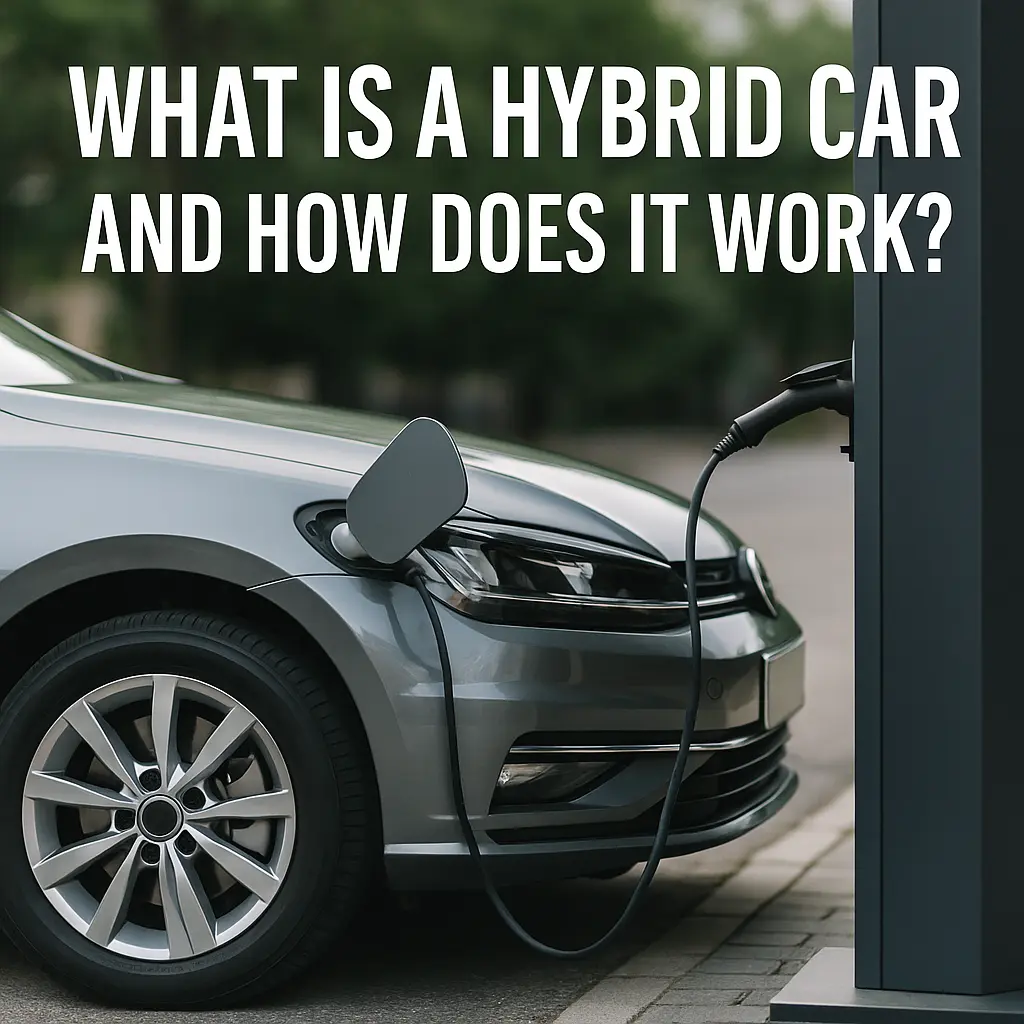
In recent years, hybrid cars have become increasingly popular among consumers who are looking for a more fuel-efficient and environmentally friendly alternative to traditional gas-powered vehicles.
These cars combine an internal combustion engine with one or more electric motors, allowing them to operate in various modes to maximize fuel efficiency and reduce emissions.
In this blog post, we’ll explore what hybrid cars are, how they work, and the benefits they offer to drivers.
What Is a Hybrid Car?
A hybrid car is a vehicle that uses a combination of a gasoline engine and an electric motor to power the vehicle. This combination allows hybrid cars to achieve better fuel economy and reduced emissions compared to traditional gasoline vehicles. The key components that make up a hybrid car include:
- Internal Combustion Engine (ICE): This is a conventional gasoline engine that powers the vehicle when additional power is needed, such as at higher speeds or during acceleration.
- Electric Motor: The electric motor can power the vehicle on its own at low speeds, during braking, or when the vehicle is idling. It can also assist the gasoline engine when extra power is required.
- Battery Pack: Hybrid cars are equipped with a battery pack that stores energy generated by regenerative braking or the engine’s surplus power. This stored energy powers the electric motor when needed.
- Power Control Unit (PCU): The PCU manages the interaction between the gasoline engine, electric motor, and battery pack. It decides when to use each power source based on the driving conditions, such as speed, acceleration, and terrain.
- Transmission: The transmission system in hybrid cars is adapted to work with both the gasoline engine and electric motor, allowing for seamless transitions between power sources.
How Hybrid Cars Work
Hybrid cars operate in several different modes, each suited to different driving conditions. The system continuously monitors driving behavior and adjusts between the gas engine and electric motor to optimize fuel efficiency and minimize emissions. Let’s take a closer look at how hybrid cars function under various scenarios:
- Running on Electric Power Only:
- City Driving: In stop-and-go traffic or at lower speeds, the electric motor can power the vehicle on its own. This mode is particularly beneficial in urban areas where fuel efficiency is crucial, and emissions are a concern.
- Quiet and Smooth: Driving on electric power is quiet and smooth, providing a more pleasant driving experience in crowded areas.
- Regenerative Braking: When braking, the electric motor acts as a generator, converting kinetic energy into electricity and storing it in the battery. This process helps recharge the battery while also slowing the vehicle down, reducing wear on the traditional braking system.
- Using Both the Gasoline Engine and Electric Motor:
- Hybrid Drive Mode: At moderate speeds and during acceleration, both the gasoline engine and electric motor work together. The gasoline engine handles the heavier workload, while the electric motor supplements the power needed for acceleration, improving fuel efficiency and reducing emissions.
- Engine Assistance: When the electric motor is not sufficient for acceleration or maintaining speed, the gasoline engine kicks in to provide extra power. This hybrid synergy allows for better fuel economy than conventional vehicles.
- Running on Gasoline Power:
- High Speeds or Under Heavy Load: At higher speeds or when additional power is required, such as when climbing steep hills, the gasoline engine operates on its own. However, the electric motor may still be used to supplement the engine’s power or recover energy through regenerative braking.
- Fuel Efficiency Gains: By combining the power of both the gasoline engine and electric motor, hybrid cars can achieve better fuel efficiency and lower emissions compared to their non-hybrid counterparts.
Benefits of Driving a Hybrid Car
Driving a hybrid car offers several advantages over traditional gas-powered vehicles, making them an attractive option for many consumers:
- Fuel Efficiency:
- Hybrid cars are known for their impressive fuel economy. They often get better miles per gallon (MPG) ratings than conventional cars, particularly in city driving conditions where electric power is used more frequently.
- Cost Savings: Lower fuel consumption means less money spent on gasoline. Over time, this can result in significant savings, especially for drivers who commute long distances or spend a lot of time in city traffic.
- Reduced Emissions:
- Lower Carbon Footprint: Hybrid cars produce fewer emissions than gasoline-powered cars. They are equipped with features that reduce pollutants like CO2, carbon monoxide, and NOx (nitrogen oxides), which contribute to smog and air pollution.
- Compliant with Emission Standards: Many hybrids meet or exceed stringent emission standards set by governments worldwide, making them an environmentally responsible choice.
- Regenerative Braking:
- Increases Battery Life: The regenerative braking system in hybrid cars helps recharge the battery every time the vehicle decelerates or stops. This reduces the load on the battery, leading to a longer lifespan and less frequent charging needs.
- Tax Incentives and Rebates:
- Government Incentives: Many governments offer tax incentives, rebates, or grants to encourage the adoption of hybrid vehicles. These financial incentives can help offset the initial purchase cost, making hybrid cars more accessible to a wider range of consumers.
- Resale Value:
- Higher Resale Value: As fuel efficiency and environmental concerns become more important to consumers, hybrids often have a higher resale value than traditional gas-powered cars. This can make them a smart investment in the long run.
Drawbacks of Hybrid Cars
While hybrid cars offer numerous benefits, there are some drawbacks to consider:
- Higher Initial Cost:
- Price Premium: Hybrid cars generally cost more up front compared to gasoline vehicles. This price difference is due to the advanced technology required for the hybrid powertrain and the additional battery.
- Payback Period: The higher initial cost can be offset over time by savings on fuel, but the payback period can vary depending on the specific model and driving habits.
- Limited Driving Range:
- Electric Range: Most hybrid cars have a limited electric-only range, which means they still rely on gasoline for longer trips. This can be a disadvantage for drivers who need to travel long distances without refueling.
- Maintenance Costs:
- Battery Replacement: The battery pack in a hybrid vehicle typically lasts for many years, but when it does need replacement, it can be expensive. It’s important for owners to budget for this eventuality.
- Specialized Repairs: Because hybrid vehicles have unique components like the power control unit (PCU) and regenerative braking system, finding a mechanic with the expertise to service them can sometimes be challenging.
Conclusion
Hybrid cars are an increasingly popular choice for drivers who want to reduce their environmental impact and improve fuel efficiency. By understanding how hybrid technology works and considering the benefits and drawbacks, you can make an informed decision when choosing your next vehicle.
Whether you’re looking for a new or used hybrid, the benefits of driving a hybrid car—improved fuel economy, reduced emissions, and tax incentives—make it a compelling option for many consumers.
At Farris Motor Company, we offer a wide range of hybrid vehicles to suit your needs. If you’re looking for a reliable used hybrid, our team is here to help. Visit us at 246 E. Broadway Blvd., Jefferson City, or 910 W Morris Blvd, Morristown, or check out our inventory online and learn more about the benefits of hybrid cars. Get pre-approved and driving today.