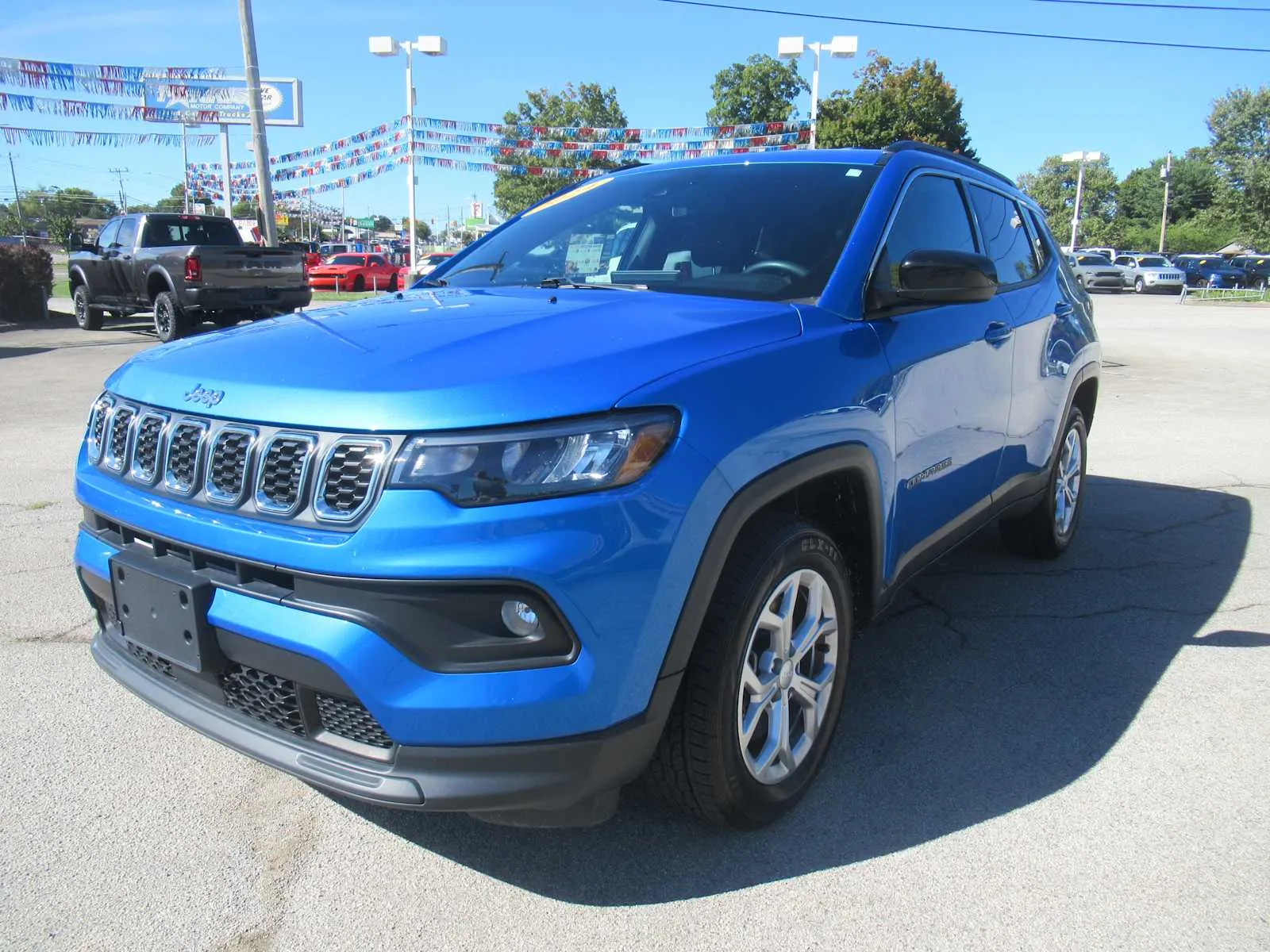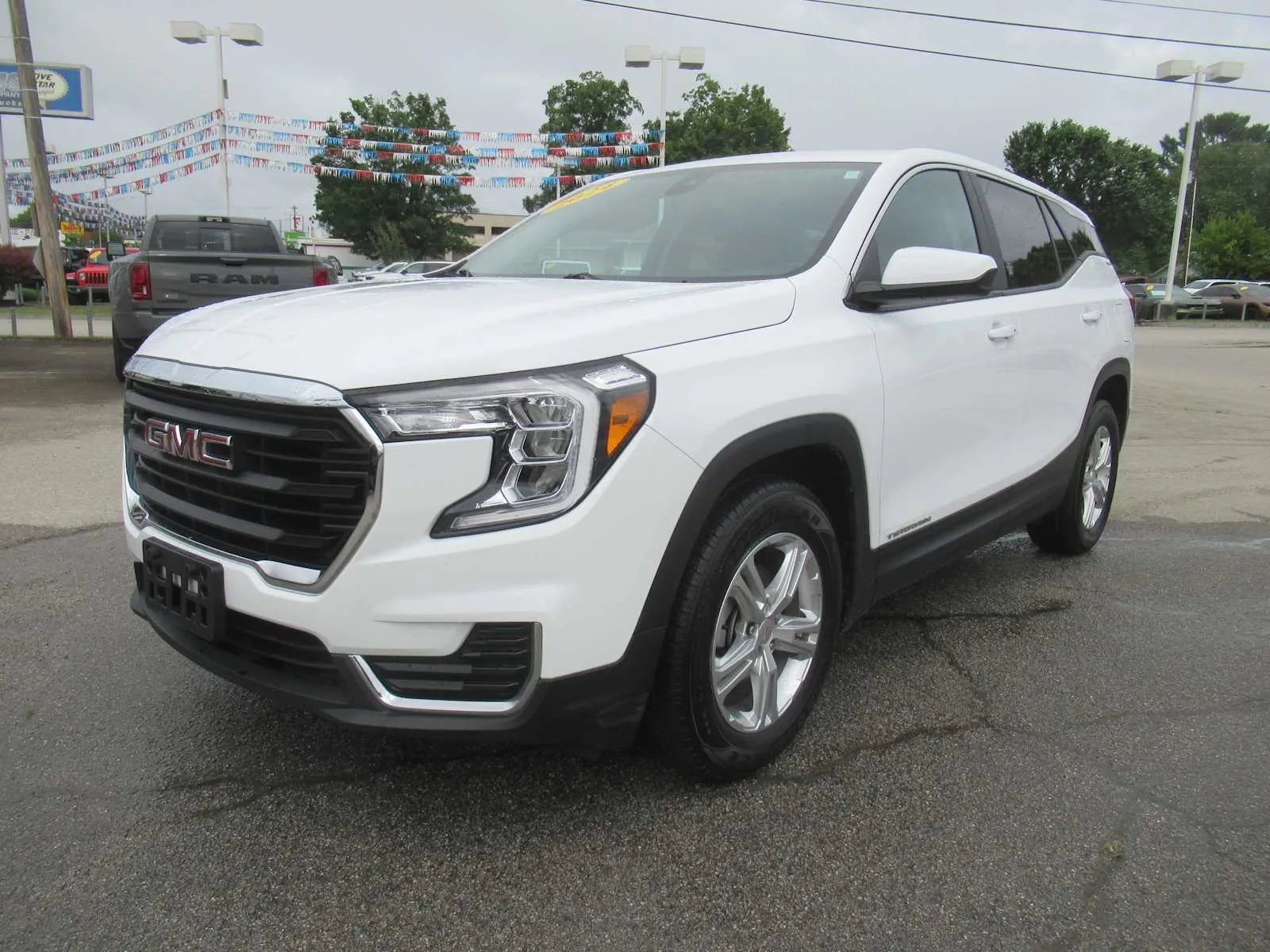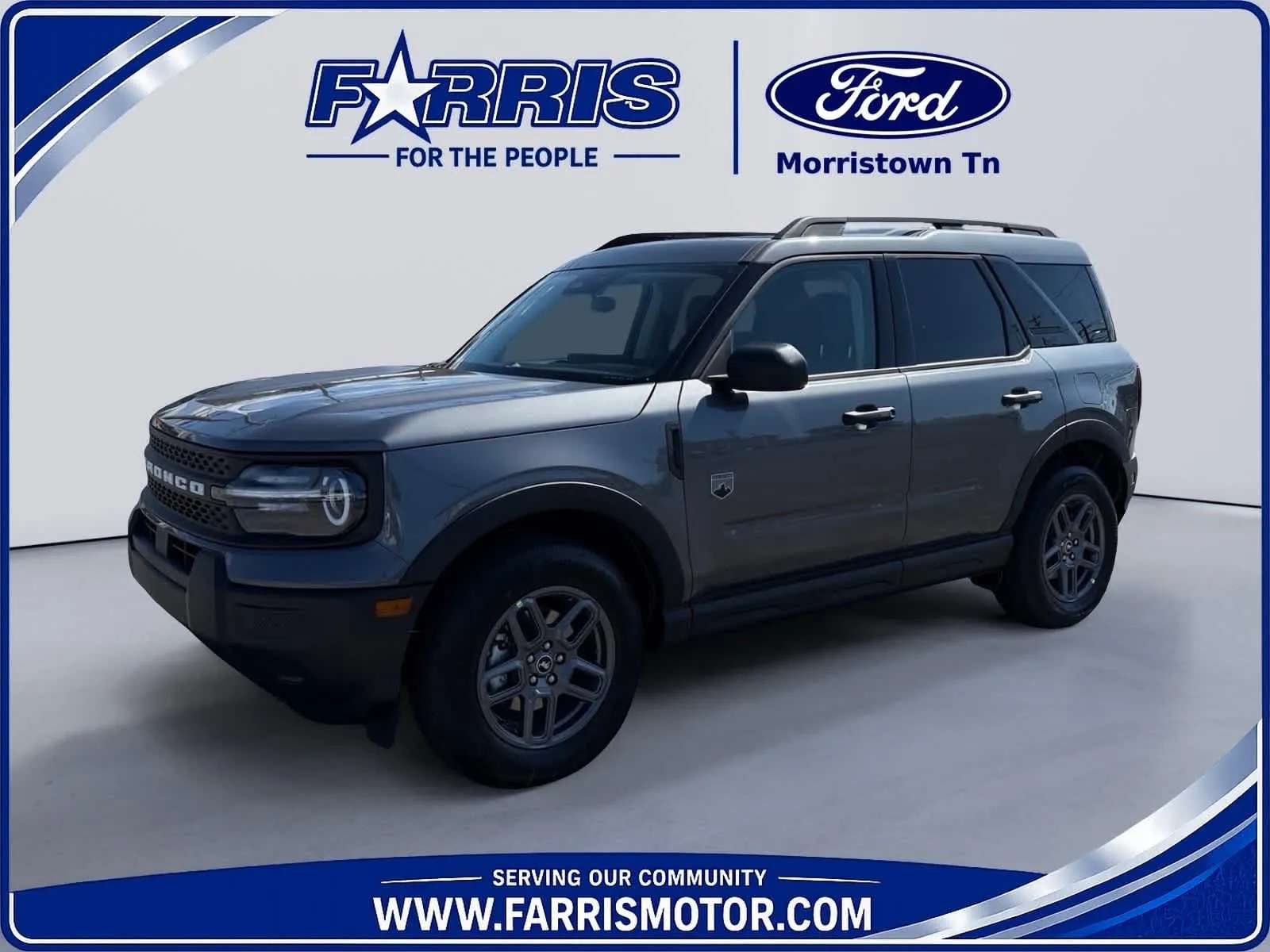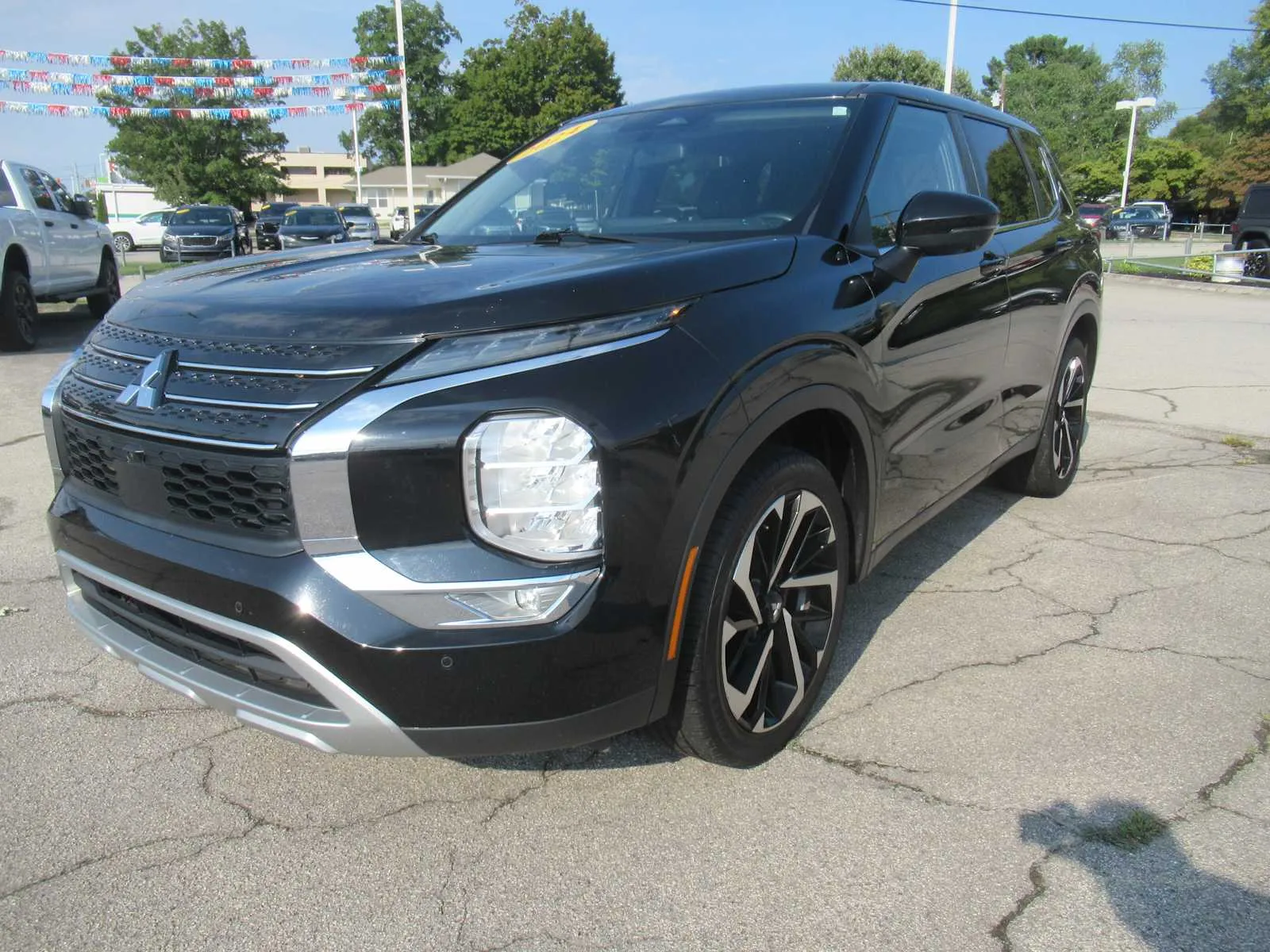

The Difference Between a CUV and an SUV: What You Need to Know
Table of Contents
The Difference Between a CUV and an SUV: What You Need to Know
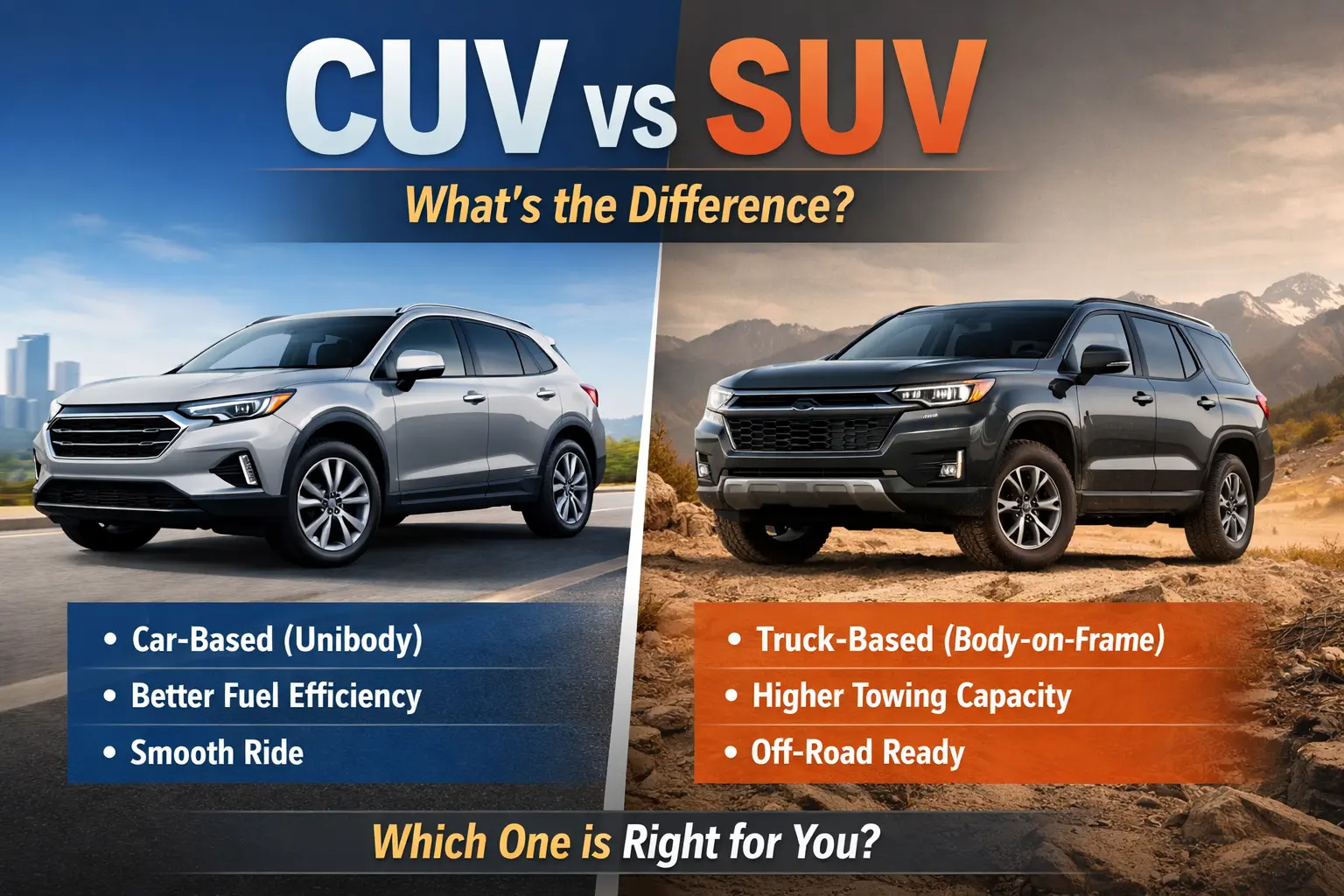
The main difference between a CUV and an SUV is how they’re built: most CUVs are car-based (unibody) for comfort and fuel efficiency, while many SUVs are truck-based (body-on-frame) for towing, space, and rugged capability.
If you’re shopping in Jefferson City or Morristown, Tennessee, that difference matters because it affects how a vehicle feels on I-40, how it handles back roads, how confident it is in winter weather, and whether it can pull a trailer for weekend plans.
What Is a CUV (Crossover Utility Vehicle)?
A CUV, or Crossover Utility Vehicle, is usually built on a car platform. Most CUVs use unibody construction, meaning the body and frame are integrated as one piece.
That design is why CUVs often feel more like a sedan behind the wheel. You get a higher seating position and flexible cargo space without the bulk of a traditional truck-based SUV.
Key Features of a CUV
Car-like ride and handling
CUVs typically have a lower center of gravity than many SUVs. That often means smoother handling on curvy roads, easier steering in town, and a more comfortable ride on longer drives.
Better fuel efficiency (in many cases)
Because CUVs are generally lighter, they often deliver better MPG than larger SUVs. If you’re commuting between Jefferson City and Morristown or making regular trips toward Knoxville, that can help keep fuel costs down.
Practical cargo space for everyday use
Most CUVs offer roomy seating for five and fold-flat rear seats for flexible storage. They’re a solid fit for groceries, sports gear, and weekend luggage.
Modern technology and safety features
Many CUVs come equipped with driver-assistance technology such as blind-spot monitoring, lane-keeping assist, and adaptive cruise control. These features can be helpful for highway trips and busy traffic areas.
Everyday versatility
While not designed for serious off-roading, many CUVs offer available all-wheel drive. That can be useful for rain, gravel driveways, and light outdoor trips.
What Is an SUV (Sport Utility Vehicle)?
An SUV, or Sport Utility Vehicle, is designed for strength, space, and capability. Traditionally, many SUVs use body-on-frame construction, similar to a pickup truck.
That structure is often preferred for towing, hauling, and rough-road use. SUVs are also a common choice for drivers who want third-row seating or maximum cargo volume.
Key Features of an SUV
Higher towing capacity (often)
Many SUVs can tow more than most CUVs. If you’re pulling a camper, utility trailer, or boat for trips around East Tennessee, an SUV may be the better match.
Rugged build for tougher use
Body-on-frame SUVs are often built to handle uneven roads and heavier loads. If your vehicle needs to work hard, this type of platform can be a major advantage.
More cargo volume and storage flexibility
SUVs often have larger cargo areas and wider openings. That makes them a good fit for families who travel, people who haul equipment, or anyone who wants maximum space.
More seating options
Many SUVs offer third-row seating for 7–8 passengers. If you have a larger family or carpool regularly, this can be a strong reason to choose an SUV.
Ground clearance and visibility
SUVs typically sit higher, which some drivers like for visibility. The tradeoff is that larger SUVs can be less fuel-efficient and may feel firmer over bumps.
CUV vs. SUV: Key Differences at a Glance
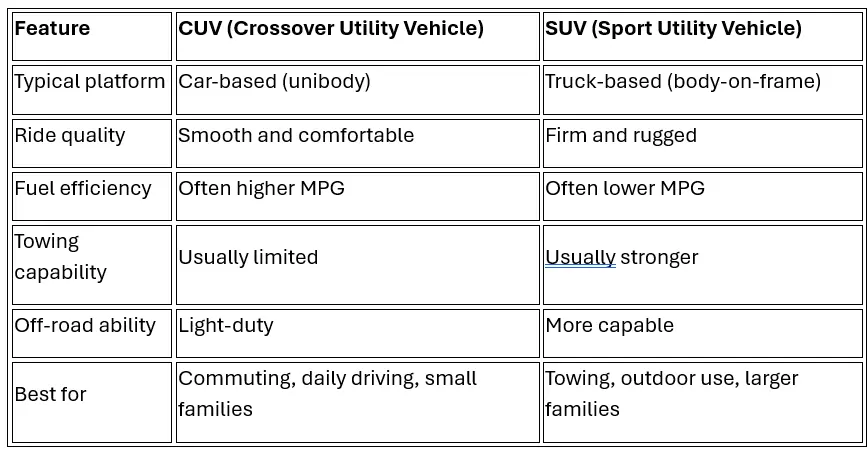
One important shopping tip: some modern SUVs are also unibody. If towing and rugged strength are priorities, confirm the tow rating and construction on the exact model you’re considering.
Why Construction Changes the Driving Experience
Unibody vehicles (most CUVs) tend to feel more stable and car-like, especially at highway speeds and on curvy roads. They usually absorb bumps well and feel easier to control in town.
Body-on-frame vehicles (many traditional SUVs) are often stronger under heavy load. That strength can improve towing confidence and durability in rougher conditions, but ride quality may feel firmer.
Which Is Better for Jefferson City and Morristown Driving?
For many drivers in Jefferson City and Morristown, a CUV is a great daily fit. It’s comfortable, easier to park, and typically more fuel-efficient for commuting and errands.
An SUV is often the better option when capability is the priority. If you need more towing power, third-row seating, or a tougher platform for heavier use, an SUV may make more sense.
Is a Crossover the Same as an SUV?
A crossover is often called an SUV in everyday conversation, but it’s usually built differently. CUVs are typically unibody and car-based, while many traditional SUVs are body-on-frame and truck-based.
When you’re comparing vehicles online, don’t rely only on the category label. Look at towing ratings, seating, drivetrain, and whether it’s unibody or body-on-frame.
AWD vs. 4WD: What’s the Difference?
All-wheel drive (AWD) is designed for traction on pavement when conditions change. It’s a good fit for rain, light snow, and mixed driving where you want the system to help automatically.
Four-wheel drive (4WD) is often built for tougher traction situations and may include low-range on certain SUVs. If you drive rough back roads, steep terrain, or deeper snow more often, 4WD can be the better tool.
Winter and Rain: What Matters Most
CUVs and SUVs can both do well in bad weather, but tires and braking matter more than the vehicle type. A vehicle with the right tires will usually stop and control better than a larger vehicle on worn or inappropriate tires.
If you’re driving in winter conditions or heavy rain, prioritize tread quality, traction control, and a vehicle that feels stable and predictable to you.
Towing: The Quick Way to Decide
If towing is part of your plan, start by estimating what you’ll tow now and later. Many CUVs can tow small loads, but they’re usually not intended for frequent heavy pulling.
SUVs are often the better match for towing larger trailers and heavier gear. Always confirm the specific tow rating, equipment, and whether a towing package is included.
Space and Seating: What You Actually Need
CUVs usually seat five comfortably and offer flexible cargo space for most families. They’re often the easiest choice if you want practicality without a large footprint.
SUVs often win on maximum passenger capacity and overall cargo volume. If you need a third row often or you want the most space possible, an SUV is worth a closer look.
Best Use Cases for East Tennessee Drivers
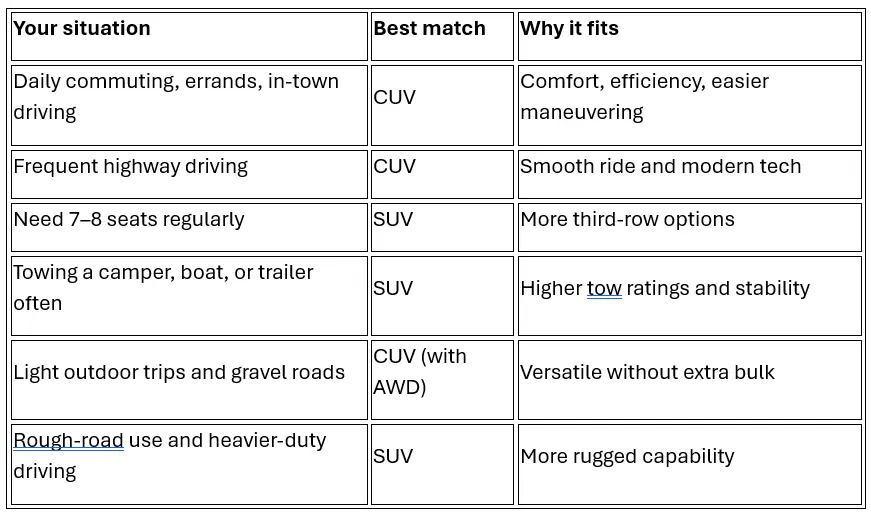
People Also Ask: Quick Answers
Which is safer, a CUV or an SUV?
Both can be safe, especially newer models with modern safety features. CUVs often feel more stable in everyday handling because they sit lower, while SUVs may offer different benefits depending on size and build.
Do CUVs come with all-wheel drive?
Yes, many CUVs offer AWD. It can help with traction in rain, light snow, and changing road conditions.
Is an SUV always better in snow?
Not always. Tires and braking distance matter most, and a CUV with good winter tires can outperform an SUV on all-season tires.
Which costs less to own, a CUV or an SUV?
CUVs often cost less overall because they tend to use less fuel and can be cheaper to maintain. SUVs may cost more but provide added towing and space.
What’s better for a small family?
A CUV is usually the best balance of space, comfort, and efficiency. If you need a third row or tow regularly, consider an SUV.
Find the Right CUV or SUV at Farris Motor Company
If you’re deciding between a CUV and an SUV in Jefferson City or Morristown, Farris Motor Company can help you compare options based on your budget, space needs, and driving habits. Browse our available vehicles and get started on financing.
Frequently Asked Questions: CUV vs. SUV Questions Jefferson City and Morristown Drivers Ask
1) What is the simplest difference between a CUV and an SUV?
A CUV is usually car-based (unibody) and tuned for comfort and efficiency, while many SUVs are truck-based (body-on-frame) and built for towing and rugged capability.
2) Which gets better gas mileage, a CUV or an SUV?
CUVs usually get better MPG because they’re typically lighter and designed more like cars.
3) Do I need AWD or 4WD in East Tennessee?
Many drivers do fine with front-wheel drive, but AWD helps in rain and light snow. If you drive rough roads, steeper terrain, or deeper snow more often, 4WD may be worth considering.
4) Can a CUV tow a trailer?
Some can, but tow ratings vary widely by model and equipment. Always check the exact tow rating before buying.
5) Is third-row seating more common in SUVs?
Yes. Many SUVs offer 7–8 passenger seating, while most CUVs focus on two-row seating.
6) What should I pick for road trips and cargo space?
If you want maximum space and passenger flexibility, choose an SUV. If you want a smoother ride and better efficiency, a CUV is often the better road-trip balance.